
Things to Do in Pakistan in September
September weather, activities, events & insider tips
Low Season · Budget Friendly
September Weather in Pakistan
Temperature, rainfall and humidity at a glance
98°F (37°C)
High Temp
82°F (28°C)
Low Temp
0.0 inches (0 mm)
Rainfall
70%
Humidity
⚠ Heat stroke risk peaks 11 AM - 3 PM when humidity prevents sweating
⚠ Sudden dust storms reduce visibility to 100 m (328 ft) on Islamabad highways
Is September Right for You?
Weigh the advantages and considerations before booking
Advantages
- + September is the month when the northern mountains finally deliver. Above 2,000 m (6,560 ft), monsoon clouds scatter for good. What remains? Air so sharp it stings. Views that stretch clear across the Karakoram and Hindu Kush. Apple orchards around Hunza Valley drooping under late-season fruit. This is your window, likely the only one, to walk Rakaposhi base camp trails or drive the KKH from Gilgit to Sost without the June-July cloud blanket. The mountain light in September, golden, low-angled, slicing across dry granite and ripening terraces, is something July visitors simply never witness.
- + Pakistan's tourist numbers remain stubbornly low. The country pulls in a fraction of the visitors that comparable destinations like Nepal or Uzbekistan attract, and September counts as shoulder season even by those modest standards. At Lahore Fort and the Badshahi Mosque, monuments that would have queues four deep during peak European season, you'll wander marble courtyards with Pakistani school groups and maybe three foreign travelers. No tour buses.
- + September is the last gasp of mango season in Punjab. Anarkali Bazaar's stalls still hold the final Anwar Ratol and Chaunsa, Pakistani mangoes so prized that food writers book flights just to eat them. One bite floods your mouth with distilled stone-fruit perfume, the flesh custard-thick, juice racing to your elbow. October erases them. Pomegranates and the first winter citrus take over.
- + September 4 to 6, 2026. Mark it. Eid Milad un-Nabi lands then, and Lahore flips into something guidebooks don't mention. The Walled City doesn't just light up, it erupts. Every minaret, every archway drips colored bulbs. Processions snake through the lanes around Data Darbar shrine, qawwali spilling down alleyways for blocks. Rose water and marigold perfume the air for days. Defence Day on September 6 piles on, first week becomes one long national party you won't match elsewhere.
Considerations
- − Lahore, Islamabad, Karachi, still sweating out monsoon heat in September. At 98°F (37°C) with 70% humidity, walking Lahore's Walled City between 11am and 4pm demands serious commitment. This isn't dry, manageable heat; it's the kind that turns your shirt see-through in ten minutes and triggers your phone's temperature warning. Schedule every outdoor move for the two hours after sunrise or the two hours before sunset, otherwise you'll spend afternoons glued to the nearest air-conditioned wall.
- − September on the Karakoram Highway is beautiful, until it isn't. Monsoon leftovers hammer the mountain stretch between Besham and Chilas. Rockfall. Shoulders gone. Full closures. Road crews won't always warn you. One morning the asphalt is clear. By dusk, it's gone. You'll need two or three spare days, a local driver who knows the back way, and no international flight out of Gilgit booked closer than 48 hours after you plan to arrive.
- − Outside Lahore, Islamabad, and the Gilgit-Baltistan tourist corridors, Pakistan's hospitality hasn't kept pace. In smaller KPK towns and along some KKH stretches, your choices narrow fast, basic guesthouses or very basic guesthouses. That isn't a deal-breaker if you pack right. But travelers hunting boutique hotels with hot water and WiFi will find September in the mountains frustrating without advance planning and realistic expectations.
Best Activities in September
Top things to do during your visit
Karakoram Highway Road Journeys and Valley Exploration
By September, the monsoon landslide risk on upper KKH sections finally eases. The light on Karakoram peaks, Rakaposhi at 7,788 m (25,551 ft), Diran, the distant white triangle of Nanga Parbat at 8,126 m (26,660 ft), turns golden and clear. July's cloud-choked skies can't match this. The drive from Islamabad to Hunza covers roughly 660 km (410 miles). Terrain shifts from Punjab's green flatlands through KPK's dramatic gorges to Gilgit-Baltistan's high-altitude moonscape. September is your best seasonal window: rains have cleared mountain air, harvest is on, and July-August tourist convoys have thinned. Shared vans run daily from Rawalpindi's Pirwadhai terminal. Private jeep hire with a driver who knows the road, worth considering for flexibility around closures. Check current road conditions through local sources or the Gilgit-Baltistan tourism authority before you go. See current tour packages in the booking section below.
Booking Tip: Private jeep tours that cross multiple valleys sell out fast, book 2 to 3 weeks ahead. English-speaking drivers who know alternate routes around closures are snapped up by mid-September. Check the booking section below for current options.
Hunza Valley Trekking and Altitude Hiking
September in Karimabad. The apple and apricot orchards are in harvest, terraced fields glow amber and gold against the grey granite walls of the surrounding Karakoram. Total magic. Trails around Hunza hit their sweet spot this month. Glacier melt has slowed, so paths aren't muddy. Daytime air sits at 18 to 22°C (64 to 72°F) at altitude. Wheat terraces smell like late-summer grain baking under high-altitude sun. You'll want to bottle that scent. The walk from Karimabad up to Duikar, also called Eagle's Nest, gains roughly 500 m (1,640 ft) in elevation. The payoff? A view over the valley where three mountain ranges meet. Seems impossible until you're standing there with cold glacier wind slicing through your jacket. Rakaposhi base camp trail is a harder two-day option. Serious trekkers shouldn't skip it. Fitness requirements are real: Hunza sits at around 2,500 m (8,200 ft) base elevation and some trails push above 3,500 m (11,480 ft). Take a full day to acclimatize before any serious hiking.
Booking Tip: September in Karimabad, book guided trekking day trips now. They fill fast. This month is northern Pakistan's definitive peak season. Use local licensed guide associations only. Certified guides know the trails cold and carry proper safety equipment. Current options live in the booking section below.
Lahore Walled City and Mughal Monument Tours
Lahore Fort and the Badshahi Mosque face each other across the road at the northern edge of the Walled City. Together they form the finest surviving ensemble of Mughal imperial architecture on the subcontinent, grander than what Delhi has kept. The Fort's Sheesh Mahal (Mirror Palace) holds thousands of inlaid mirror fragments that catch morning light and scatter it across every surface at once. You need to see this, not read about it. September brings low visitor numbers, you'll sit in the courtyards and examine the workmanship without phones in your peripheral vision. Arrive at 7am when gates open. By 10am the marble radiates 37°C (98°F) heat upward through your soles. The Walled City lanes around Gumti Bazaar and Akbari Mandi carry spice smells, coriander seeds, cumin, the sharp mineral note of whole dried chilies in hessian sacks. Narrow passages open suddenly onto haveli courtyards that have traded goods for three hundred years.
Booking Tip: Walled City locals know shortcuts no guidebook prints. A guide who sleeps two streets away will march you straight to a fourth-generation brass worker, time your pause beneath the Bab-al-Bahrain arch for 4:17 p.m. light, then duck down a lane that never made it onto Google. Book one week ahead. Current tour options sit in the booking section below.
Fairy Meadows and Nanga Parbat Base Camp Trekking
Fairy Meadows - a high alpine plateau at roughly 3,300 m (10,800 ft) below the south face of Nanga Parbat - is one of those places that photographs do genuine disservice to. The scale of the mountain above you only becomes real when you've spent two days walking toward it and it has grown larger every hour. September is the cleanest weather window for this area. Monsoon clouds that often obscure Nanga Parbat's summit in July and August tend to lift, and the meadow grasses are still green before October's first frosts arrive. The access road from the KKH at Raikot Bridge is one of the more terrifying jeep tracks in Pakistan - about 12 km (7.5 miles) of single-lane mountain road with sheer drops that will have passengers gripping the door handle - followed by a 3 to 4 hour walk to the meadow on foot. This is not casual tourism. It is, however, one of the more extraordinary things you can do in September in Pakistan. The base camp experience at Beyal, another 1,000 m (3,280 ft) above the meadow, is something high-altitude trekkers remember for the rest of their lives.
Booking Tip: Nanga Parbat permits, get them 4 weeks ahead. Pakistan Tourism Development Corporation handles the restricted zone paperwork, no exceptions. Chilas or Gilgit guides arrange jeeps and porters, they know the terrain. Check current trekking packages in the booking section below.
Lahore Street Food and Old City Food Walks
Lahore's claim to be South Asia's great food city is not hyperbole, any honest eater who has spent time here will say it unprompted. The food culture runs deepest in the Old City lanes around Data Darbar shrine and in the crowded grill restaurants of Gawalmandi and Mozang. Nihari, a slow-cooked beef and bone-marrow stew with a surface of clarified butter and crushed fresh ginger, is breakfast here. Waris Nihari House near Bhati Gate has been ladling from the same slow-fire recipe since the 1950s. The soup is rich and slightly gelatinous from the collagen. The naan you tear into it is sesame-crusted and still warm. The whole experience will recalibrate your idea of what a morning meal can be. Evenings in September, once the temperature drops slightly after 7pm, the streets around Liberty Market and MM Alam Road fill with families at outdoor tables. They're eating karahi (Pakistani wok-cooked meat dishes), seekh kebabs charring over wood coals, and kulfi from carts that have been in the same spot for decades. The smell of grilling over coals is something you will try to describe to people when you get home. Words won't quite carry it.
Booking Tip: Skip the solo wandering. A food walk led by locals who've eaten these dishes since childhood beats stumbling around alone every time. They'll tell you what to order and why it matters. September brings plenty of domestic Pakistani visitors, book at least one week ahead. Check the booking section below for current food tour options.
Kalash Valley Cultural Immersion
Bumburet, Rumbur, and Birir valleys in Chitral District, these three valleys shelter the Kalash, a people whose pre-Islamic religion, language, and culture have outlasted centuries of Muslim neighbors. September lands after August's Uchal harvest festival yet before the big autumn Chawmos rites. This is the quiet window. You won't feel you've walked onto a stage. Elevation runs 1,900 to 2,000 m (6,230 to 6,560 ft). Nights bite. Walnut groves and grape vines reach late season sweetness. From Chitral town, a 36 km (22 mile) jeep crawl takes about 90 minutes on a mountain road that drops and climbs like a drunk goat. Kalash women wear black wool dresses and towering headdresses, shells, beads, feathers, creating shots you can't get elsewhere in Pakistan. Ask first. Always ask. The community has endured decades of camera-wielding intruders. Basic courtesy flips you from tolerated to welcomed.
Booking Tip: Skip the Islamabad middleman. Local Chitrali guides who speak Khowar and Kalasha open doors that Urdu-only operators from Lahore can't. These relationships matter, guides with roots in the community turn polite nods into real conversations. Lock in your jeep and rooms from Chitral town. September crowds mean booking 2 weeks ahead isn't optional. Check current tour options in the booking section below.
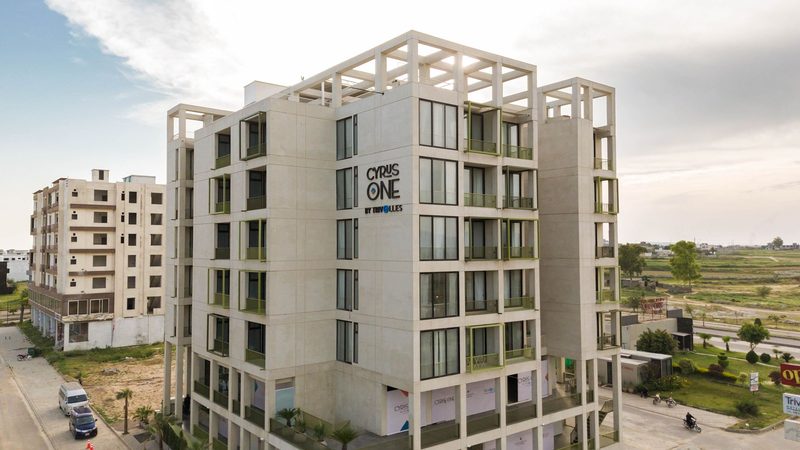
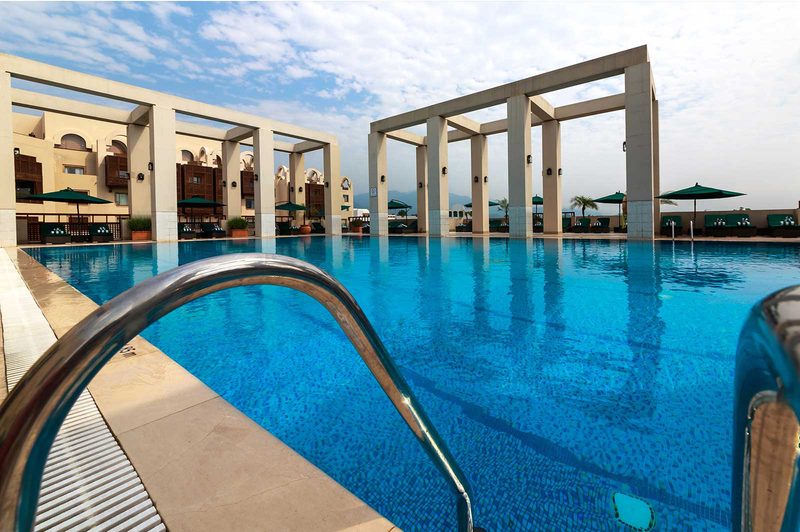
Where to Stay in Pakistan in September
Hand-picked hotels across price tiers for September travellers.
September Events & Festivals
What's happening during your visit
Early September, September 4 to 6, 2026, give or take a day when the moon finally shows its face.
Eid Milad un-Nabi - Prophet's Birthday Celebrations
September 4 to 6, 2026, mark it. The Prophet Muhammad's birthday lands here, and Pakistan doesn't just celebrate. It explodes. Lahore owns the show. The Walled City and the streets around Data Darbar shrine of Hazrat Data Ganj Bakhsh, an 11th-century Sufi whose tomb is the city's beating heart, glow green and white for days. Lights everywhere. Total overload. Night falls. Processions roll. Illuminated floats glide, singers belt naats, devotional poetry, through the Old City from sunset past midnight. Flowers rain from rooftops. The air turns thick with their perfume. Sweet halwa appears at shrine gates, handed out free. Eat up. The catch? Main roads through the Walled City lock down by mid-afternoon. Vehicles can't move. Come on foot. Arrive early. Forget speed. This isn't a detour, it's the reason you're in Lahore.
September 6 (fixed annual date, national holiday)
Defence Day National Commemorations
September 6 isn't just another day off. Defence Day marks the 1965 war with India, when Pakistan's outnumbered troops held the line and turned the tide. Expect full military parades, air force jets screaming over Islamabad and Lahore, and every public building lit up like a Christmas tree. The main ceremony develops near Shakarparian in Islamabad. Lahore, where the 1965 conflict saw its bloodiest border fighting, hosts rawer, more emotional gatherings. Veterans' groups and schoolchildren flood the Lahore War Cemetery and Wagah Border area. If you're near Wagah on September 6, 24 km (15 miles) east of Lahore on the Indian border, the evening flag-lowering ritual becomes pure theatre. Bigger crowds, longer ceremony, total electricity. One heads-up: in 2026, Defence Day bumps right up against Eid Milad un-Nabi. Lahore's first week of September becomes a double-barrelled celebration, national pride meets religious fervour.
Packing Checklist
Bookmark this page — your progress is saved between visits
Need the full list with shopping links?
Climate-specific gear, brand recommendations, and what to leave at home.
View Pakistan Packing List →Essential Tips
Insider knowledge and common pitfalls to avoid
Insider Knowledge
Pakistani roads in September will chew you up, unless you get on the WhatsApp circuit nobody tells tourists about. Live groups track the KKH, Chitral road conditions, Deosai access, every trekking corridor you'll hit. Local drivers, truckers, guesthouse owners ping updates all day. Have your host add you the minute you check in. Do this and you'll dodge at least one three-hour drive toward a locked gate on any northern Pakistan loop.
Islamabad-Gilgit flights by PIA and Serene Air? Book them. Even as backup. They cost peanuts compared to Nepal's mountain-town hops, and when the KKH shuts from landslides, common, this flight decides whether you'll catch your international connection or watch it leave without you. Reserve the seat when you lock your Gilgit room, not once the road's already gone.
The best chai in Lahore isn't hiding, it's squatting on small zinc tables near Urdu Bazaar's printing presses, poured into metal glasses that burn your fingerprints off. Milky, heavily sweetened, punched with cardamom and ginger. This is where the city's pulse lives. Publishers, poets, students, they've argued literature and politics here for generations. Order one glass. Don't speak. Within five minutes, someone will lean over. The conversation will crush anything on your phone. Hours vanish. The metal grows cold. You'll still be talking.
If a stranger invites you to tea in Pakistan during September, say yes immediately. Mehmaan nawazi, guest hospitality, isn't mere politeness. It is duty, plain and simple. The family will spend hours cooking, usher you into their finest room, and wave away your wallet. Don't argue. Eat everything. Praise the cardamom in the kebab, the lemon tang in the dal, never settle for "delicious." These meals, not monuments or mountain views, are what linger in travelers' memories years after the suitcases are stored.
Avoid These Mistakes
A week won't cut it. Trying to cram Lahore and the northern areas into seven days creates a frantic blur that shortchanges both. Lahore to Gilgit via the KKH demands two solid days behind the wheel, only if September weather cooperates. The Islamabad-Gilgit flight saves time but robs you of the journey's context entirely. Most Pakistan veterans won't touch the north with fewer than 10 days and either open with Lahore as a standalone chapter or save it for another trip.
Don't show up empty-handed. The Khunjerab Pass at 4,693 m (15,397 ft), Deosai National Park, and trekking zones near Nanga Parbat all demand permits, no exceptions. You'll need them in advance through the Pakistan Tourism Development Corporation. Plenty of travelers still try their luck at checkpoints. They arrive without paperwork, hope the ranger bends rules, and watch their trip collapse. Predictable. Avoidable.
Don't bank on walk-in rooms. Pakistan's visitor numbers are low, except where they aren't. Domestic traffic has exploded across the north: Hunza, Skardu, the KKH corridor. Guesthouses in Karimabad, Duikar, and around Fairy Meadows sell out every September. Foreign travelers who skip booking at least three weeks ahead often end the long jeep ride with no bed and no options.
Ready to plan your trip to Pakistan?
Now that you've got the research covered, here's where to go next.
Book Experiences in Pakistan
Top-rated things to do in Pakistan this September


Explore More Activities in Pakistan
Didn't see anything interesting yet?
Browse Viator's full catalog of tours, day trips, food experiences, and private guides in Pakistan.
See All Pakistan Tours on Viator