
Things to Do in Pakistan in August
August weather, activities, events & insider tips
Low Season · Budget Friendly
August Weather in Pakistan
Temperature, rainfall and humidity at a glance
96°F (36°C)
High Temp
82°F (28°C)
Low Temp
6.3 inches (160 mm)
Rainfall
70%
Humidity
⚠ Flash floods can isolate mountain villages for 24-48 hours - register your travel plans with local police in Gilgit
⚠ Karachi's August humidity triggers heat exhaustion in visitors from temperate climates - plan indoor activities 11 AM to 4 PM
Is August Right for You?
Weigh the advantages and considerations before booking
Advantages
- + Northern Pakistan's Karakoram and Himalayan high routes are open, barely. The Baltoro Glacier trekking corridor, K2 Base Camp, Fairy Meadows, and Deosai Plateau unlock only from roughly July through mid-August, when snow loosens its grip and passes stay clear. Deosai, one of the world's highest plateaus at 4,114 m (13,497 ft), erupts in August: yellow buttercups and purple gentians carpet 3,000 sq km (1,158 sq miles) of emptiness. No trees. No buildings. Nothing between you and the Karakoram skyline.
- + August 14, 2026 marks Pakistan's 79th anniversary, and the country becomes something you'll never see the other eleven months. Green and white bunting erupts across every city around August 7. Flag sellers squat on roundabouts from Karachi to Gilgit. Islamabad's wide streets jam with families who won't head home until 2 AM on the 13th. For one week you get raw, unscripted access to how Pakistanis read their own identity, complicated, proud, and far more layered than Western coverage ever admits.
- + Late July. Early August. Hunza Valley's harvest window slams open. Sun-dried apricots still carpet rooftop mud platforms at 2,500 m (8,202 ft). Mulberry trees drop fruit on the Karakoram Highway roadside. That sharp sweetness, pure Hunza apricot dried in mountain air, waits at roadside stalls along the KKH. Six weeks. That's all. This micro-season owns the valley's rhythm. Villagers harvest, not host. Karimabad feels different, raw, working. October's busier season can't touch this texture.
- + August empties Lahore's Walled City monuments. Foreign tourist numbers drop sharply compared to spring (March-April) and autumn (October-November) peak seasons, Islamabad's museums echo, mountain guesthouses in Gilgit-Baltistan sit half-full. Three-and-four-star properties in Lahore and Islamabad that sell out months in advance in October? They've got same-week availability in August. No scrum of other foreign visitors at Wazir Khan Mosque. The Lahore Fort complex stands quiet. Early-morning explorations feel like the city belongs to you.
Considerations
- − August in the plains, Lahore, Multan, Faisalabad, Hyderabad, most of Sindh, will punish you. 38-41°C (100-106°F) plus 70%+ humidity. Sustained outdoor exploration between 10 AM and 5 PM becomes uncomfortable. For visitors not acclimatized to extreme heat, it is medically inadvisable. Anyone building a Pakistan itinerary around Lahore's cultural monuments or Karachi's urban attractions needs to grasp this: August heat slashes the practical outdoor window to roughly four hours, early morning only.
- − 33 million people. That is the scale when Pakistan's August monsoon turns nasty, 2022 proved it, flooding a third of the country. Sindh and southern Punjab are the usual drowning grounds. Yet every August still dishes out localized road closures, rail disruptions, and flash floods that slam vehicles into dry riverbeds. Mountain roads in Gilgit-Baltistan and KPK add their own twist: landslides seal valleys for 24-72 hours, no warning, no clear-up schedule. Monsoon flooding is not a risk. It is the structure of the season.
- − August turns Pakistan's domestic tourism into a stampede. Families from Lahore, Islamabad, and Karachi bolt north to escape the plains heat. The hill stations, Swat Valley, and the Naran-Kaghan corridor drown under weekend crowds. That serenity you see in Swat Valley photos? October delivers it, August doesn't. Roads into popular areas gridlock. Guesthouses fill fast. Mountain villages that feel intimate in spring swell with domestic package tourism. The sense of discovery? Gone.
Best Activities in August
Top things to do during your visit
Baltoro Glacier Trekking and K2 Base Camp
August is the only month you can count on. The Baltoro Glacier route opens for just six weeks, July through mid-August, when storms pause long enough to let trekkers move safely. Concordia sits at the heart of the Karakoram, where four of the world's fourteen 8,000 m (26,247 ft) peaks crowd one horizon: K2 at 8,611 m (28,251 ft), Broad Peak at 8,051 m (26,414 ft), Gasherbrum I and II stacked tight in the distance. The glacier stretches 63 km (39 miles) from end to end. You walk on ice for days. Seracs tower like apartment blocks. At night, the low grinding creak of moving ice reaches your tent. K2 Base Camp perches at 5,000 m (16,404 ft). The altitude hits hard, acclimatization days aren't optional. The standard trek takes 14-20 days from Skardu, depending on pace and conditions. Miss this window and snowfall seals the approaches. August delivers.
Booking Tip: You need a trekking permit from Pakistan's Ministry of Tourism for the Baltoro corridor, no exceptions. Your operator handles this paperwork. Book through PTDC-registered operators at least 10-12 weeks ahead for August departures. Expedition season hits hard, guide availability vanishes before the window opens. Demand proof: your operator must carry high-altitude first aid equipment. Guides need current wilderness first aid certification. Check current expedition operator options in the booking section below.
Karakoram Highway Road Trip
The KKH punches straight from Islamabad to the Chinese border at Khunjerab Pass, 1,300 km (808 miles) of tarmac that vaults from subtropical plains to 4,693 m (15,397 ft) above sea level. Twenty years of blasting, 20 years of rockfall, 20 years of funerals. In August the Hunza River runs the specific jade-green color that only glacial melt can brew, and Rakaposhi's 7,788 m (25,551 ft) summit hangs above the valley floor near Nagar without a single bootstep required. Baltit Fort in Karimabad, the former palace of the Hunza Mir, over 700 years old, perches above fields where apricots still dry on flat rooftop platforms in early August, the view dropping to the KKH and across to the glacier behind Ultar Peak. At Khunjerab Pass on the Chinese border the air temperature drops to 10-15°C (50-59°F) even in August, a blunt reminder you've climbed roughly 4,000 m (13,123 ft) from the subtropical plains around Islamabad. The drive from Islamabad to Hunza is roughly 500 km (311 miles), typically 10-13 hours in good August conditions.
Booking Tip: Book your Gilgit-based driver-guide combo 3-4 weeks ahead for August. Peak domestic tourism hits the north hard, drivers vanish faster than you'd think. Afternoon checkpoint queues will eat your schedule. Road delays? Count on them. Current guided KKH itineraries sit in the booking section below.
Lahore Walled City and Mughal Monuments
Lahore's Old City packs more Mughal-era buildings per square kilometer than anywhere else on earth. August mornings, 5 AM to 8:30 AM, before the heat crushes everything, are your only sane window. Wazir Khan Mosque, finished in 1635, blazes with floor-to-ceiling kashi-kari tilework in turquoise, cobalt, and ochre. Master craftsmen needed ten years to cover every surface. Photos flatten the geometry. You need to stand in the courtyard, neck craned, to grasp the scale, walls, arches, dome interiors, every inch alive with pattern. Walk a few hundred meters beyond the old city gate and you'll hit Badshahi Mosque, completed in 1673 under Aurangzeb. Its main courtyard swallows 100,000 worshippers. At Fajr prayer, the call rolls across red sandstone still cool from night air while incense smoke snakes up from surrounding lanes. Next door sits Lahore Fort, UNESCO World Heritage Site since 1981. Budget a full, slow morning. By 9 AM the mercury hits 33°C (91°F). By 10:30 AM the sandstone throws heat like a kiln and you're done.
Booking Tip: 7-10 days. That's the booking window for August if you want the real Walled City. Early-morning guided walking tours run with local historians who know the less-documented sections, inner haveli courtyards with crumbling but still-intact painted facades from the 1920s, the neighborhood alleys the standard route skips. Weekday mornings give you more flexibility than weekends. See current Lahore walking tour options in the booking section below.
Deosai National Park Wildflower Season
4,114 m (13,497 ft), the Deosai Plateau doesn't mess around. One of the highest plateaus you can reach by road anywhere, and in August it erupts. Yellow Himalayan buttercups, purple gentians, pink primulas, they carpet 3,000 sq km (1,158 sq miles) of rolling grassland with zero trees, zero permanent structures, just the Himalayas and Karakoram boxing you in on every side. The Himalayan brown bear shows up now. Summer is their peak season, they're fattening before hibernation, and August wildlife tours give you a real shot at dawn or dusk sightings. One of the last viable South Asian populations left. The light at this elevation? Razor sharp on clear August mornings. Total clarity. Drive from Skardu across Deosai toward Astore, empty landscape, sky-heavy, the kind of scenery that lodges in your brain long after flashier views have blurred. Fair warning: temperatures crash to near 0°C (32°F) after sunset even in August. Altitude sickness hits visitors who rush up from Skardu.
Booking Tip: Deosai day trips and overnight camping start in Skardu, local operators run wildlife itineraries timed for July-August when the bears are active. August fills fast. Book 3-4 weeks ahead. Skardu guesthouses pack with domestic and foreign trekkers during this window. Current Deosai tour options sit in the booking section below.
Pakistan Independence Day Celebrations
August 14, 2026 marks Pakistan's 79th Independence Day. The week surrounding it transforms Islamabad in ways you can't explain, you have to feel them. Flag vendors materialize on roundabouts around August 8. LED flag-lights snake across motorcycles, rickshaws, and car antennas. The broad avenues fill with families strolling at dusk, a sight that happens exactly once each year. The formal military parade in Islamabad on the morning of the 14th remains the official event. Fighter jets thunder overhead. Marching bands pound down Jinnah Avenue. Impressive, yes, but not the heart of it. The real experience? The nights before. August 13 specifically. Streets pulse until 3 AM. Tea stalls burn oil through the night. Conversations with strangers peel back layers of Pakistani identity you didn't know existed. Lahore's celebrations on Mall Road draw enormous crowds. They spill past midnight into the Walled City lanes. The energy is infectious, total chaos, worth every second. This week also delivers Pakistan's most reflective journalism. Documentaries dissect partition. Debates examine Jinnah's founding vision. They trace where the country has traveled since 1947. For visitors, this context makes the present click into focus.
Booking Tip: Lock in your Islamabad room 4-5 weeks early for August 12-15. Hotels in F-6, F-7, and F-8, each within walking distance of key celebration areas, sell out across every price bracket. Check the booking section below for current Islamabad tour packages that fold Independence Day programming into the itinerary.
Swat Valley Hiking and Buddhist Heritage
By August, Swat Valley turns a deep, saturated green, colors impossible in drier spring months. The terraced rice fields above Mingora reach a shade that doesn't exist until monsoon hits. The Swat River runs fast and cold from snowmelt. Air smells of pine resin and damp earth, shocking after days in Lahore or Islamabad. The valley holds Buddhist ruins that predate Islam by a thousand years. Butkara I, a Gandharan stupa complex near Mingora, shows excavated foundations dating to the 3rd century BCE. Udegram features carved rock faces and temple platforms scattered across a hillside above the modern road. Neither preserved nor formally presented, they just exist. The stupa at Shingardar, documented by Chinese pilgrim Xuanzang during his 7th-century visit, remains on the cliff it has always occupied. Trout fishing in the Swat River through local permit systems runs through August and is taken seriously by the valley's residents. The road from Islamabad to Mingora covers roughly 250 km (155 miles), typically a 5-6 hour drive through the KPK hills.
Booking Tip: Local guides in Mingora can still get you up the valley after monsoon rain, they know which trails wash out in August and stay firm in October. Book 10-14 days ahead for August. See current Swat Valley tour options in the booking section below.
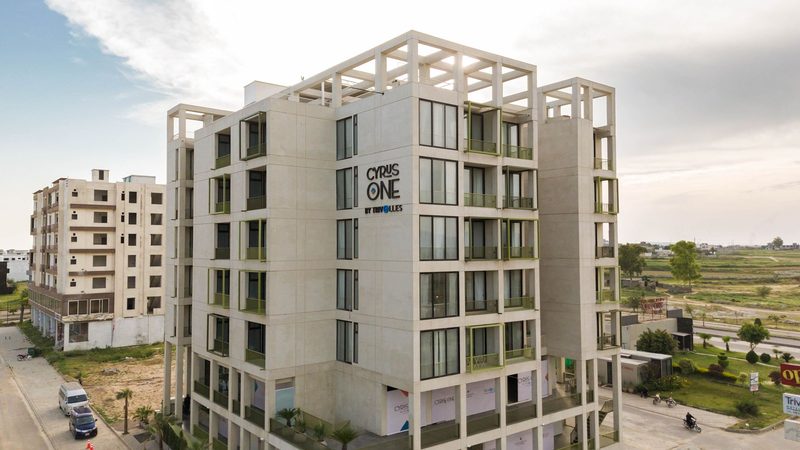
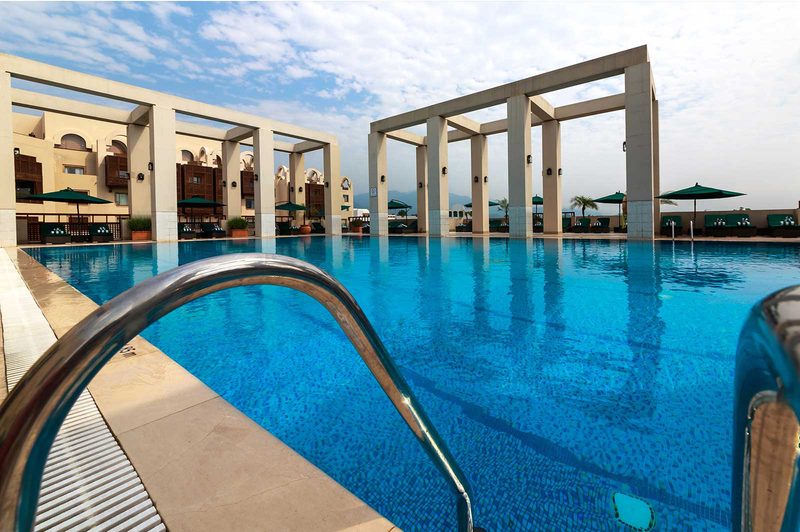
Where to Stay in Pakistan in August
Hand-picked hotels across price tiers for August travellers.
August Events & Festivals
What's happening during your visit
August 14 (street celebrations begin August 12-13)
Jashn-e-Azadi, Pakistan Independence Day
Pakistan's Independence Day on August 14 is the country's largest national celebration, and 2026 marks the 79th anniversary. The formal events, military parade, flag-raising ceremonies at public monuments, presidential address, are concentrated in Islamabad and Lahore. The informal celebrations are everywhere: every city, every town, every village strings green-and-white lights, and the nights of August 13-14 see Pakistani families in the streets in a way that happens no other time of year. In Islamabad, the Shakarparian Hills amphitheater hosts the main fireworks display, visible from much of the city. In Lahore, the Mall Road parade is followed by celebrations in the Old City lanes that continue well past midnight. The week also surfaces the kind of candid, unguarded public conversation about national history, about partition, about what Pakistan was supposed to become, that is impossible to find in ordinary tourist months.
Packing Checklist
Bookmark this page — your progress is saved between visits
Need the full list with shopping links?
Climate-specific gear, brand recommendations, and what to leave at home.
View Pakistan Packing List →Essential Tips
Insider knowledge and common pitfalls to avoid
Insider Knowledge
5 AM in Lahore isn't hype, it's survival. On a clear August morning, 6 AM still sits at 30°C (86°F) while the sun paints the Badshahi Mosque's red sandstone gold. The alleys around Lohari Gate erupt with parathas slapped onto tawa griddles, clarified butter, dal, and cumin smoke curling through the early heat. This smell alone justifies the alarm clock. By 10:30 AM, those same streets become ovens and the monuments start throwing back stored heat like radiators. Plan accordingly. Hit cultural sites before 9 AM. Then vanish into air-conditioned caves, the Lahore Museum on Mall Road, the Walled City Art Museum, or any cafe in Gulberg's leafy blocks. After Asr prayer, the Old City reanimates. Food stalls reopen. Air stirs. The cycle begins again.
August means apricots in Hunza. The KKH roadside between Gilgit and Gojal turns into a fruit corridor, plan your drive around it. Nali and Kuruki apricots taste nothing like the supermarket version. They're sharp, almost wine-like. Altitude does the trick, thin dry air at 2,500 m (8,202 ft) plus weeks of sun-drying on flat rooftop mud surfaces. That's the secret. Highway stalls sell kilos straight from those rooftops. Whole dried apricots with the pit intact, traditional, practical, and they'll survive the trip home if your bag has space.
Afternoon landslides on the Karakoram Highway aren't random, they're clockwork. August heat and monsoon rain loosen rock faces between Gilgit and Chilas after lunch. Every local driver knows this. They'll push for dawn starts through the worst sections. Not perfect. But it works. When your driver insists on 6 AM instead of 9, don't argue. You'll sit in a landslide for six hours otherwise. Morning runs aren't foolproof, they're just the only smart play.
Skip the televised speeches on August 14. Hit the streets instead. In Lahore, Karachi, Islamabad, any city you're in, the real show begins after sunset. Tea stalls glow under bare bulbs. Men lean over tiny tables. Steam rises from chipped cups. Conversations start. They'll talk partition. Jinnah's vision. What Pakistan became. What it should be. These August 13 and 14 discussions cut deeper than any textbook. You'll hear raw takes on a country's founding story, candid, unfiltered, unmatched anywhere. Pakistanis carry complicated feelings about their history. They don't hide them. Show genuine curiosity. Learn a few Urdu words. They'll open up fast. A respectful foreign visitor gets an education no documentary provides.
Avoid These Mistakes
38-40°C (100-104°F). That's Lahore Fort's courtyard between 11 AM and 4 PM in August, sandstone and brick throwing extra heat like a furnace. Same monuments at 6 AM, same size. Completely different experience. Don't restructure your Lahore or Multan sightseeing around midday. You'll just burn out. Set the alarm earlier, simple fix. Travelers who insist on noon starts in Pakistan's plains cities spend their trip exhausted, frustrated. They could've just woken up.
The KKH from Islamabad to Hunza looks easy, 500 km (311 miles) on paper. Reality bites. Ten to thirteen hours in good conditions. Altitude gain, mountain curves, checkpoint stops, and the general pace of mountain driving all chew time. August brings landslide clearing delays from two hours to two days. Planning precise arrivals, connecting flights, pre-booked trekking days, reserved camp sites, routinely ends in frustration. Build one buffer day into any northern August itinerary.
Don't set foot in Pakistan's mountain north without specialist trekking and evacuation insurance. Standard travel policies, those "complete" ones, usually stop at 4,000 m (13,123 ft). Deosai Plateau, Khunjerab Pass, Fairy Meadows, and definitely K2 Base Camp all laugh at that line. When you need a chopper out of Gilgit-Baltistan, the bill dwarfs what most travelers budget. The mountaineering policies that cover this cost peanuts next to the risk. The rookie error? Believing your annual policy handles high-altitude rescues when the fine print clearly says it won't.
Ready to plan your trip to Pakistan?
Now that you've got the research covered, here's where to go next.
Book Experiences in Pakistan
Top-rated things to do in Pakistan this August


Explore More Activities in Pakistan
Didn't see anything interesting yet?
Browse Viator's full catalog of tours, day trips, food experiences, and private guides in Pakistan.
See All Pakistan Tours on Viator