
Things to Do in Pakistan in October
October weather, activities, events & insider tips
Shoulder Season · Good Value
October Weather in Pakistan
Temperature, rainfall and humidity at a glance
93°F (34°C)
High Temp
71°F (22°C)
Low Temp
0.0 inches (0 mm)
Rainfall
70%
Humidity
⚠ October smog in Punjab cities reduces visibility to 500 m (1,640 ft) and causes throat irritation - carry N95 masks for city days
⚠ Mountain roads can ice overnight above 3,000 m (9,840 ft) - 4WD vehicles may require chains for early morning departures
Is October Right for You?
Weigh the advantages and considerations before booking
Advantages
- + October hits and the monsoon is gone, gone for good. What rolls in instead is Pakistan's cleanest air of the year. Climb onto a haveli roof in Lahore's Walled City at 8 a.m. mid-month and the Margalla Hills jump out to the north, razor-sharp where July's soup erased them. That clarity pays off. It hands landscape photographers perfect light, gives drivers on the Karakoram Highway 200-kilometre sightlines, and turns every hike, picnic, and roadside chai break into something summer months can't touch.
- + October is your last real shot at the Karakoram Highway before winter slams the door. The road from Islamabad to Khunjerab Pass at 4,693 m (15,397 ft) holds through October, barely. November? Snow can shut it down for days. Forever. The Hunza Valley erupts in gold and rust-red as apricot and walnut trees surrender their harvest. Locals spread drying fruit across rooftops in Karimabad and Altit. The valley gains texture. Summer visitors miss this warmth entirely.
- + 33-36°C (91-97°F) afternoons in Lahore and Islamabad this month, comfortable. The plains shed the brutal 44-46°C (111-115°F) of June and July. Sounds marginal. Walk the old city at 9 AM and you'll feel the difference: manageable heat, not survival mode. Evening temperatures drop to 20-22°C (68-72°F). Open-air food streets around Lahore's Gawalmandi and Fort Road become pleasant, not punishing.
- + Pakistan's wedding season kicks off in October, and if you crash one, inevitable in Lahore, the scale and hospitality will floor you. Multi-day celebrations. Dhol drums rattling through old city neighborhoods after dark. Biryani steaming in enormous deg pots on street corners. You don't book it. It finds you.
Considerations
- − October turns the northern mountains into a ticking clock. One storm, just 24-48 hours of heavy snowfall, and the Deosai Plateau at 3,500 m (11,483 ft) shuts down. Same for the Skardu-Khaplu road. Babusar Pass at 4,173 m (13,691 ft) on the alternate KKH route? Gone. No warning. Trekking routes that were fine in September, Nanga Parbat base camp, Shimshal Valley, now demand real winter gear. Your October packing list won't cut it.
- − October in Lahore and Islamabad? Hotels vanish. The Pakistani diaspora, UK families, Gulf families, descend for autumn school breaks and wedding season kickoff. Decent guesthouses and boutique hotels in old city areas? Gone by mid-month. Prices jump past shoulder-season rates. Book three to four weeks ahead for mid-to-late October or you'll sleep on someone's couch.
- − 34°C (93°F) and 70% humidity, that's the deal in Lahore's plains even after summer. The Shahi Qila complex and Walled City lanes? Hit them before 11 AM or after 4 PM. Midday is for air-conditioned cafes, museums, and proper rest. Try to power through at noon and you'll be depleted by day two.
Best Activities in October
Top things to do during your visit
Lahore Walled City Heritage Walks
October is when Lahore's old Mughal city, still ringed by 13 original gates, finally becomes bearable. From Delhi Gate through the Walled City of Lahore Authority's restoration zone to the Sufi shrine of Data Darbar, the air loses its summer weight. The tiled interior of Wazir Khan Mosque, built in 1635 and considered the finest Mughal-era mosque in Pakistan for the sheer density of its faience tilework, photographs best in cool morning light. Tourist groups start arriving around 9:30 AM. October's lower humidity compared to monsoon months means the ornate plasterwork on the mosque's interior walls stays dry enough to show every detail. The surrounding food lanes, the winding alley behind the mosque leading toward the spice market at Akbari Mandi, smell of cardamom and fresh-ground cumin, of leather from cobblers' workshops, and the sharp sweet-acid punch of tamarind pulp being sold from enormous brass pots. Morning walks starting at 7 AM cover more ground and encounter more of the working city before heat and crowds converge. Many licensed heritage walk operators organize themed routes, tile conservation tours, Sikh-era architecture circuits, Sufi shrine visits, that are only available between October and March. The Lahore Fort complex and the adjacent Badshahi Mosque sit within 400 m (1,300 ft) of Wazir Khan. Build three to four hours minimum for both, and consider staying for the call to prayer at either Maghrib or Isha, the acoustics inside Badshahi's vast courtyard at dusk are unlike anything in Pakistan. See current options in the booking section below.
Booking Tip: October slots vanish fast, book heritage walks 10-14 days out. School groups and diaspora visitors snap up guides then. Only operators vetted by the Walled City of Lahore Authority restoration project get keys to locked courtyards. Their trained guides open doors you can't. Solo wandering works if you preload an offline map. Yet without a local voice, you'll just see old walls. With one, you read them.
Hunza Valley Autumn Color and Harvest Treks
Mid-October in Hunza Valley will wreck other landscapes for you. The apricot trees blanketing terraced fields below Altit Fort shift from green to amber and deep gold. Above Karimabad, the main village at 2,400 m (7,874 ft), walnut trees blaze rust-red against Rakaposhi at 7,788 m (25,551 ft) and Ultar Sar at 7,388 m (24,239 ft). Impossible backdrop. Locals spend October drying summer fruit on flat rooftops: strings of apricots, walnuts cracked in sun, dried mulberries drifting through cool mountain air. Harvest season's cultural texture alone justifies the trip. Altit Fort, founded around 900 CE and restored by the Aga Khan Trust for Culture, plus Baltit Fort above Karimabad reward morning visits when early light slashes across stone. October days hover at 15-18°C (59-64°F) in Karimabad, plunging to 3-5°C (37-41°F) at night. Bring layers you'll use. The Hopper Glacier day hike from Hoper village, 20 km (12.4 miles) round trip, remains accessible in early October before trails ice over. Longer multi-day treks into Naltar Valley or toward Passu Cones demand local guides and serious mountain preparation, not afternoon strolls. Check current Hunza Valley trekking packages in the booking section below.
Booking Tip: October 10-25. That's the harvest window when Hunza Valley accommodation vanishes. Karimabad's best guesthouses fill three to four weeks ahead, book early or sleep in your car. Guided trek? Demand operators with proper mountain rescue gear. Guides must hold Pakistan Alpine Club certification, this isn't a Sunday stroll, it's serious terrain. One storm on the Karakoram Highway can slap 6-12 extra hours onto your Islamabad departure. Check road conditions before you leave.
Taxila Archaeological Complex Day Tours
October's cool air is the only time Taxila won't roast you alive, five to six hours across three large site clusters, no wilting. The complex lies 35 km (21.7 miles) northwest of Islamabad. The drive takes 45-60 minutes, traffic willing. What you're walking through: the stacked ruins of three separate cities, 600 BCE to 500 CE, dug out in the early 1900s by Sir John Marshall. The Dharmarajika Stupa, Pakistan's oldest Buddhist monument, dates to the 3rd century BCE and grew under Mauryan emperor Ashoka. It stands in scrubland that turns gold under October's slanted light. At Jaulian monastery you'll see Pakistan's best-preserved Buddhist sculpture, stucco Buddhas still wearing faint paint left by craftspeople dead 1,700 years. Do not skip the Taxila Museum, founded 1928; its Parthian and Kushan coin hoard and Gandhara sculpture gallery give context the bare stones outside cannot. October beats March, drier air, fewer crowds, no school-bus convoys. Allow five to six hours for the full circuit: site clusters plus museum. Day tours from Islamabad are listed below.
Booking Tip: October tours from Islamabad depart daily, transport, guide, museum ticket bundled. Want freedom? Hire car and driver for the day. You'll hit Dharmarajika before 9 AM, when the light is soft and the coaches aren't. At Jaulian, pay for a sharp local guide. The stucco icons don't speak; he does, and the stories beat any sign they've nailed to a post.
Islamabad Margalla Hills Trail Network
October is the month to walk the Margalla Hills behind Islamabad, 150 km (93 miles) of marked trails hit their sweet spot. The heat that makes dawn starts unbearable from May to September is gone. The ground is dry but not yet silvered by late-November frost. Trail 3, the crowd-pleaser that climbs from Pir Sohawa Road to the ridge, needs 90 minutes up, 60 down, and repays the slog with a straight-line view over Islamabad's ruler-drawn grid on one side and the first ripples of the Potohar Plateau on the other. Trail 5 and Trail 6 run longer, quieter, and tunnel through forest where leopards are listed as residents. You probably won't see one, but the fact rewires every twig-snap you hear. October mist can pool in the valleys below the ridge around 7-8 AM before the sun erases it, and the light that follows, first silver, then gold on Islamabad's tree canopy, justifies any alarm clock. The Shakarparian Hills and Rose Garden at the trailheads aren't for serious hiking; they're made for a gentle afternoon stroll. Yet they fill with Islamabad families on October evenings and stay pleasant after the heat fades. The Pakistan Nature Conservation Society runs occasional guided dawn birdwatching walks in October, when migrants that skip summer pass through. Check the booking section below for current tour options.
Booking Tip: Trails are free, no booking, no fuss. You just show up and walk. If you want guided birdwatching or wildlife trail tours, lock it in 7-10 days ahead in October. Qualified naturalist guides only take small groups. Start any serious hike by 6:30-7 AM. The morning is why you're here, by 11 AM the temperature climbs and the effort-to-reward ratio tanks. Pack at least 1.5 liters (0.4 gallons) of water per person for Trail 3.
Karakoram Highway Drive, Islamabad to Gilgit
October is your last real shot. After this, snow closes the Karakoram Highway, the 550 km (341.8 miles) ribbon that punches north from Islamabad through Abbottabad, Mansehra, the Kaghan Valley, Chilas, and the Indus gorge to Gilgit. Fourteen to eighteen hours of asphalt drama: Punjab foothills drop away, tribal ridges close in, the gray-green Indus foams below while the road, blasted straight from cliff faces, hovers above. Eight hundred and ten Pakistani and Chinese workers died building it between 1959 and 1978; their handiwork still makes palms sweat. Take the NATCO bus from Rawalpindi's Pir Wadhai terminal if you want local cred. Or gamble on the 45-minute Islamabad, Gilgit flight, impressive, until weather cancels it for two days running. Before you leave, check Thak Nala and Diamer District for fresh landslides. Monsoon leftovers love those spots. Break the ride overnight in Chilas or Naran, you'll need the rest. Guided KKH drive tours wait in the booking section below.
Booking Tip: Book the bus a week early, October north-bound seats vanish fast. A private car with driver beats the chaos. Fix it through a licensed Islamabad operator who'll also tip you off on today's road conditions. The Gilgit flight? October weather cancels it for two, even three days straight, slot one spare day into any plan that relies on it.
Karachi Old City, Clifton, and Burns Road Food Crawl
October is Karachi's sweet spot. The coastal summer that pins temperatures at 36-38°C (97-100°F) and turns humidity into a physical thing has finally snapped, and the city exhales. Burns Road, Karachi's food street threading through Saddar, transforms after dark. In October people spill onto the pavement, something July crowds never manage. The street has served as Pakistan's unofficial shrine to Dahi Puri, Nihari, and Seekh Kebab for generations. Four blocks of old-school restaurants, some flipping kebabs since the 1950s, operate more like a living food museum than a dining district. The Empress Market looms over Saddar's grid. Built in 1889 from red-brick Victorian bones, the building rewards anyone who walks through its spice section. Dried red chilies hang in thick bunches. Cumin and coriander overflow from open sacks. The air carries a century of trade. Clifton Beach is where Karachiites show up. October evenings bring horseback riders and camel vendors tracing lazy circles across the sand. Corn roasts over charcoal at small stalls. Coke Studio battles Bollywood from competing speakers. The ritual is specific: arrive by 5:30 PM to watch the sun drop into the Arabian Sea. Nothing else feels this authentically Karachi. See Karachi old city walking tours and food experiences in the booking section below.
Booking Tip: Four to six people is the magic number for Karachi walking tours and food crawls. You need a guide who knows the neighborhood's history and can spot which stalls are worth the wait. October fills fast, book 7-10 days ahead. On Burns Road, show up after 8 PM and you'll hit the dinner rush. Total chaos. Also the most atmospheric. Want to eat without a long queue? 6:30-7 PM is the sweet spot.
Where to Stay in Pakistan in October
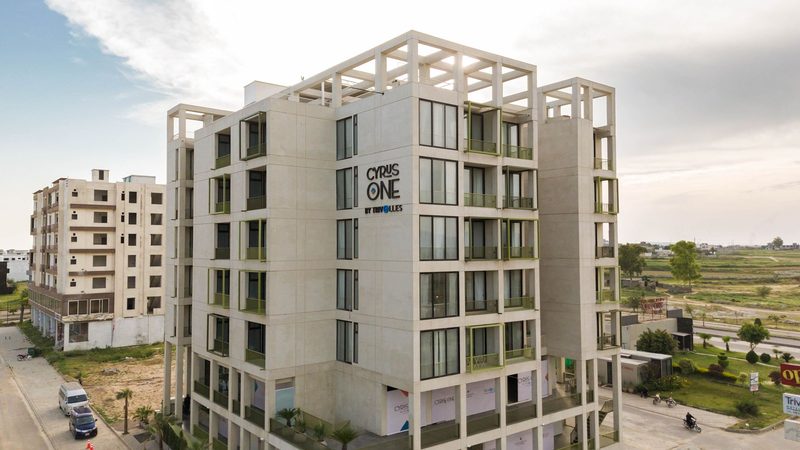
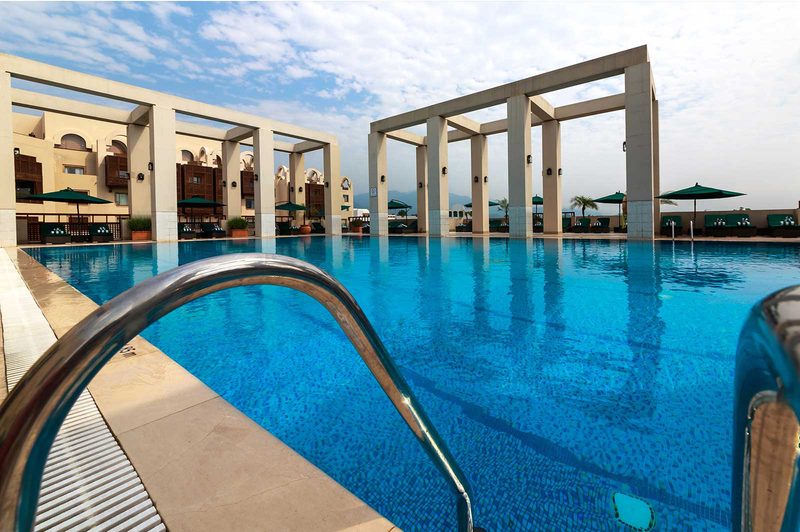
Hand-picked hotels across price tiers for October travellers.
Packing Checklist
Bookmark this page — your progress is saved between visits
Need the full list with shopping links?
Climate-specific gear, brand recommendations, and what to leave at home.
View Pakistan Packing List →Essential Tips
Insider knowledge and common pitfalls to avoid
Insider Knowledge
100,000 people can pack the Badshahi Mosque's interior courtyard at capacity, and when the call to prayer rolls through it sounds like a cathedral organ. Non-Muslim visitors are welcomed outside of prayer times, the guards at the entrance hand out shoe covers and will often invite respectful visitors to stay for Maghrib prayer at sunset. This is one of the most powerful sensory experiences Pakistan offers, and a surprising number of visitors skip it because they are uncertain about the protocol. The protocol is simple: remove your shoes, cover your head if female, be quiet, and follow the guards' guidance.
Lahore's food map runs on a clock. Breakfast and early lunch belong to Anarkali, halwa puri spots have served the same menu since partition, and the 8 AM queues are locals casting their breakfast vote. Late lunch and early dinner shift to the old walled city lanes around Gawalmandi. After 9 PM, the entire city migrates to the food streets at Fort Road and MM Alam Road. Hunt for Fort Road-style food at noon and you'll find kitchens on reduced menus and reduced enthusiasm.
Skip the airport booth, Karachi's Saddar money changers give rates that hotel desks can't match. Same goes for Lahore's Liberty Market. The airport rates are consistently poor, full stop. Exchange just enough for your first day when you land, then hunt down a licensed changer in the city for the rest. ATMs for international cards work fine in Lahore, Karachi, and Islamabad. Once you're on the KKH or in smaller northern towns, forget plastic, operate on cash you bring from the city.
Pakistan flips the script on South Asian hospitality. Foreigners don't wait days for invitations, they get them in minutes. At a shrine, a roadside stop, a cricket match. "Come, have chai" from someone you met ten minutes ago? Say yes. Always. These spontaneous moments, tea, meals, homes thrown open without hesitation, become the clearest memories of Pakistan. Decline them consistently and you'll miss the country's most distinctive quality.
Avoid These Mistakes
Don't tack the northern areas onto a Lahore itinerary. The Karakoram Highway demands two days each way from Islamabad when roads behave. Travelers who squeeze two nights in Hunza into a seven-day Pakistan trip spend more hours in vehicles than anywhere else. They arrive exhausted. They see nothing properly. The northern mountains need five to seven days as their own circuit, or skip them entirely for another trip.
2,400 m (7,874 ft) is no joke. You'll step off the van in Hunza wearing those light cotton shirts you packed for the plains and the wind will bite straight through. Lahore hit 34°C (93°F) that same morning. By dusk in Karimabad you're shivering at 12°C (54°F). The difference isn't theoretical, it's immediate and brutal. October evenings in Hunza drop fast. Forget your fleece and you'll spend the night hating every decision that brought you here.
Pakistan food isn't uniform. Lahore food is Punjabi, rich, heavy, butter-forward, the kind that demands a proper rest afterward. Karachi food is Muhajir and coastal, lighter, more varied, heavy on seafood and the nihari from the old city. Peshawar food is Pashtun, chapli kebab, sajji (whole roasted lamb), the wood-smoke smell of open grills. Expecting one regional cuisine everywhere and being surprised when it is different is a mistake easily avoided by reading even briefly before arriving.
Ready to plan your trip to Pakistan?
Now that you've got the research covered, here's where to go next.
Book Experiences in Pakistan
Top-rated things to do in Pakistan this October


Explore More Activities in Pakistan
Didn't see anything interesting yet?
Browse Viator's full catalog of tours, day trips, food experiences, and private guides in Pakistan.
See All Pakistan Tours on Viator