
Things to Do in Pakistan in June
June weather, activities, events & insider tips
Shoulder Season · Good Value
June Weather in Pakistan
Temperature, rainfall and humidity at a glance
105°F (41°C)
High Temp
86°F (30°C)
Low Temp
1.3 inches (33 mm)
Rainfall
70%
Humidity
⚠ Extreme heat, plan outdoor activities for early morning
Is June Right for You?
Weigh the advantages and considerations before booking
Advantages
- + June is when Pakistan's northern mountains, Hunza, Gilgit-Baltistan, Fairy Meadows, hit their stride. The Karakoram Highway, shut or dicey under snow from November through April, is wide open. What you see will feel almost unfair: glacier-fed rivers running milky turquoise, terraced apricot orchards above Karimabad sagging with fruit, and the white pyramid of Rakaposhi (7,788 m / 25,551 ft) staring back from roadside tea stalls. At dawn the air still bites, calendar be damned. If the northern mountains are why you're coming to Pakistan, June is your window.
- + June in Pakistan: mango madness. 1.5 million tonnes flood the country every year, and the first Sindhri and early Chaunsa haul is absurd, perfumed, custard-soft, nothing like the stringy fruit bred for export. Lahore and Karachi vendors stack them in teetering wooden carts, selling by the kilo while sticky juice streaks your arms in the 40-degree heat. Eat now. In six weeks, this sweetness vanishes.
- + Pakistan still draws far fewer visitors than India or Southeast Asia, so June crowds at Lahore Fort, Badshahi Mosque, Mohenjo-daro stay thin by any global yardstick. You'll stand inside the Sheesh Mahal's mirrored halls with five strangers, not five hundred. That low visitor count flips from drawback to bonus the moment you arrive.
- + Near the summer solstice, sunset clocks in around 7:30 PM local time. That is a gift. In Hunza, long daylight hands you an extra hour, sometimes two, for trekking and photography. You can bang out the climb to Eagle's Nest viewpoint, descend to Karimabad, and still find sunlight on the dinner table. October hikers don't get that cushion. The light drops fast, dinner arrives in the dark.
Considerations
- − 105°F (40.5°C) by mid-afternoon. That is not background discomfort, it is the defining fact of your day in Pakistan's plains. Lahore, Multan, and the Punjab heartland hit these numbers regularly, with heat index values pushing even higher once humidity piles on in the pre-monsoon weeks. Islamabad sits higher, so it is somewhat more bearable. But the capital still touches 40°C (104°F) on peak days. Plan accordingly. If you are sightseeing in Lahore or Multan in June, your outdoor window runs 6 AM to 10 AM, then again after 5 PM. The middle of the day? Survival exercise. Not a sightseeing opportunity.
- − June in Karachi is a gamble. The Arabian Sea knocks a few degrees off the inland furnace, 33-36°C / 91-97°F most days. But the city still rolls dice on heat waves and the odd pre-monsoon cyclone. In 2015, a single heat wave killed over 1,300 people here. June 2026 will probably behave, odds say so. Yet travelers with low heat tolerance, elderly travelers, or anyone carrying cardiovascular baggage should think twice.
- − June in the lowlands means one thing: walls of ochre dust 300 m (1,000 ft) tall. These 'andhi' storms sweep Punjab and Sindh with zero warning, cutting visibility to nothing for 20-40 minutes. You'll watch from a window, spectacular, or get caught outside, miserable. Everything ends up coated in fine grit. Not a deal-breaker for visiting. But reschedule that outdoor shoot in Lahore's Shalimar Gardens.
Best Activities in June
Top things to do during your visit
Hunza Valley Trekking and Valley Exploration
June is Hunza's jackpot. The Karakoram Highway is wide open, apricots and cherries hang heavy in the terraced orchards above Karimabad, and the glacier views, Ultar Sar (7,388 m / 24,239 ft) lunging straight above town, Rakaposhi staring back across the valley, come with zero cloud cover. No haze. Just rock and ice. The Eagle's Nest viewpoint, a 3 km (1.9 mile) climb above town, hands you a panorama that takes a full minute to register as real. Temperatures in Hunza town hover at 25-28°C (77-82°F) by day, then slide to 12-15°C (54-59°F) after dark, cool relief after the plains' furnace. Day hikes to Baltit Fort (UNESCO-listed Silk Road citadel), Attabad Lake (its turquoise born from the 2010 landslide), and the villages above Karimabad are all doable solo. No guide required. Bring one anyway. Local walker-guides add stories that signs can't. Book Karimabad rooms three to four weeks ahead in June. Guesthouses are tiny, 10-20 rooms is normal, and domestic Pakistani tourists swarm them during Eid holidays and weekends. The valley-view rooms? Gone first.
Booking Tip: Above 3,500 m (11,483 ft), only licensed operators registered with Pakistan's Tourism Development Corporation can legally guide you. June skies stay mostly calm, then slam shut without warning. Demand proof of evacuation plans before you sign. Scroll to the booking section; Hunza itineraries are listed there now.
Fairy Meadows Trek and Nanga Parbat Base Camp
June is the only month you can reach Fairy Meadows without a snow fight. The access jeep track plus the 12 km (7.5 mile) walk through pine forest stays clear just four weeks a year. At 3,300 m (10,827 ft) on the flanks of Nanga Parbat, the world's ninth-highest peak at 8,126 m (26,660 ft), this meadow delivers the single view that justifies a whole itinerary. The plateau spreads wide, impossibly green, with the north face of Nanga Parbat filling every inch of horizon. No filters. No crowds. Just the mountain and you. From Fairy Meadows to Nanga Parbat Base Camp takes five to six hours at altitude pace. The reward? A front-row seat on the Raikot Glacier, blue ice grinding down the valley like slow-motion thunder. Night falls hard. Temperatures crash to 5-8°C (41-46°F) even in June. One minute you're sweating in 40°C (104°F) Islamabad heat. Twelve hours later you're pulling on every layer you own. That swing knocks you sideways, in the best way.
Booking Tip: The jeep ride from Raikot Bridge on the Karakoram Highway to the Fairy Meadows trailhead is a 45-minute white-knuckle crawl along a single-lane dirt track with nothing but air below the wheels. Vertiginous? Absolutely. Book only through operators who've run the route for years, and lock in your wooden cabin or camping spot before you set foot on the trail. June weekends fill two to three weeks out, reserve early. Current guided options are in the booking section below.
Lahore Mughal Heritage Walking Tours (Dawn Hours)
June in Lahore? The heat is brutal. But the Mughal architecture is worth it. Badshahi Mosque, Lahore Fort, Shalimar Gardens, Wazir Khan Mosque, they're among the finest on earth. Treat the heat as your schedule, not your enemy. Be at your first site by 6:30 AM. Temperatures hover around 30-32°C (86-90°F). The light through Badshahi Mosque's sandstone turns copper and low, pure magic. The Lahore Fort's Sheesh Mahal (Hall of Mirrors) waits next. Thousands of tiny convex mirrors catch and scatter early light across its walls. No crowds. In June, at that hour, you'll likely have it to yourself. By 10 AM the heat builds fast. By 11 AM open courtyards become dangerous. Use midday for Anarkali Bazaar, the food stalls are worth the sweat, and the Lahore Museum's Gandharan sculpture collection. Both offer shade. Both catch some air movement. The afternoon heat breaks marginally after 5 PM. This gives you a second window for the Food Street off Gawalmandi. The old city's outdoor dining strip. Smoke from karahi pots. The smell of searing lamb fat carries two blocks downwind.
Booking Tip: Two weeks. That's how far ahead you need to book a guide for Androon Lahore, or you'll miss everything. A sharp local will walk you past Mughal-era havelis wedged behind unmarked doors, then steer you straight into the working chaos of katchi bazaars. First-timers wandering alone never find these layers of context. Licensed cultural tourism operators handle the permits. Check the booking section below for current tour options.
Karakoram Highway Overland Journey
June is the month. The Karakoram Highway (KKH), 1,300 km (808 miles) of asphalt from Islamabad to the Chinese border at Khunjerab Pass (4,693 m / 15,397 ft), is open, running, and spectacular. The pass unlocks in May, locks again in November. Right now glacial rivers run opaque turquoise beneath it, full force. One day of driving takes you through pine forest, alpine scrub, then high-altitude desert. Simple. Khunjerab Pass marks the Pakistan-China border. The altitude hits fast, shortness of breath, mild headache if you've flown in from sea level. Smart move: spend a day acclimatizing in Sost or Passu before pushing higher. From Gilgit to Khunjerab takes six hours in good conditions, plus photo stops. June landslide risk on the lower KKH is real. Build flexible timing into your itinerary for closures lasting a few hours.
Booking Tip: Private vehicle with driver, that's what works. Shared vans, the "flying coaches," make the run but stop rarely and won't pause for your perfect shot. Ask your operator straight out: has the vehicle been mountain-serviced? Long stretches of road have zero services. Lock in June dates early. Current guided highway journeys sit in the booking section below.
Swat Valley Day Hikes and Cultural Exploration
Swat Valley, Khyber Pakhtunkhwa, isn't Switzerland, it's better. Buddhist stupa ruins from the Gandharan civilization (2nd century BCE through 5th century CE) rise beside working rice paddies. Rivers run so cold in June that local children shriek while swimming. The green hits you after dusty Punjab plains, you'll need to see it. June delivers peak lushness. Pastures above Malam Jabba, ski resort in winter, hiking base in summer, stay vivid and wet. Waterfalls run full. Day hikes to Kundal Shahi and upper Ushu Forest reveal meadow country most international visitors don't know exists. The Swat Museum in Mingora holds one of Pakistan's best Gandharan Buddhist art collections, stone friezes depicting the Buddha's life carved with Hellenistic aesthetics reflecting Alexander the Great's influence two millennia ago.
Booking Tip: Swat is safe again, for now. The valley's security turnaround is real. But you still need to check your Foreign Ministry advisory before you lock anything in. Guided cultural and heritage tours get you into archaeological sites you won't spot alone. Book a week or two ahead. Current Swat options are in the booking section below.
Skardu Base Camps and Baltoro Glacier Approaches
Skardu sits at 2,228 m (7,310 ft) in Gilgit-Baltistan, the launch pad for every serious assault on K2 (8,611 m / 28,251 ft) and the Baltoro Glacier. That glacier runs 63 km (39 miles), one of the longest outside the poles. June explodes into life. The airport and guesthouses buzz with Korean, Spanish, Italian teams sorting ropes, oxygen, freeze-dried noodles. You don't need crampons. The valley around Skardu, Satpara Lake at 2,636 m (8,648 ft), water so blue it looks Photoshopped, and the Katpana Desert dunes, a cold desert that logic says can't exist yet does, will keep you busy for days. The 7-10 day trek to Concordia, the K2 base-camp crossroads, demands fitness, permits, a licensed guide, proper gear. Approach valleys give shorter day hikes with views that don't ask for that level of commitment. Afternoon cloud piles up by 1 or 2 PM. Mornings stay clear. The light on the Karakoram? Extraordinary.
Booking Tip: K2 and Baltoro won't let you in without paperwork. All trekking in restricted zones around K2 and Baltoro requires permits from Pakistan's Tourism Development Corporation, arrange these through a licensed trekking agency well before your trip, as processing takes time. June is peak season for Baltoro expeditions. Book logistics (porters, guides, camping equipment) at minimum four to six weeks ahead. Current Skardu and K2 region tours are listed in the booking section below.
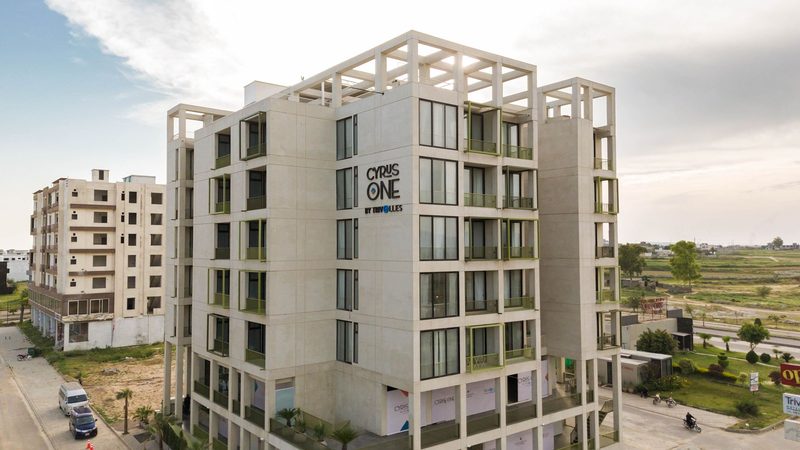
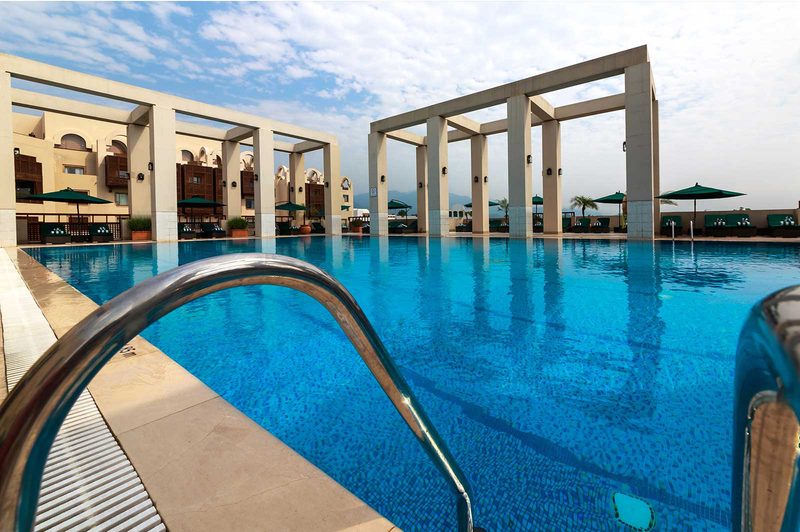
Where to Stay in Pakistan in June
Hand-picked hotels across price tiers for June travellers.
June Events & Festivals
What's happening during your visit
Late June (peak Chaunsa season), continuing through July
Punjab Mango Festival Season
1.5 million tonnes of mangoes, that is Pakistan's annual haul, and when Sindhri from Sindh ripens in June the country flips into mango mode. Early Chaunsa from Multan and Rahim Yar Khan hits the stalls at the same moment, turning Punjab and Sindh into one long, fragrant, unofficial festival. No tickets, no gates: just a cultural pulse that beats from late June through July, the way the French count down to Beaujolais Nouveau. Lahore's municipal parks sprout tasting tables overnight. Anarkali and Liberty Market overflow, stalls stacked shoulder-high, vendors waving cheek-soft slices. They'll hand you a cube, watch your face, then name a price. Chaunsa, honey-sweet, almost perfumed, flesh that slips clean from the pit, peaks in late June. If you're in Multan, drive ten minutes past the city limits. Roadside vendors sell them straight from orchard crates, 40-rupee slabs that make Lahore prices feel like airport markup.
Packing Checklist
Bookmark this page — your progress is saved between visits
Need the full list with shopping links?
Climate-specific gear, brand recommendations, and what to leave at home.
View Pakistan Packing List →Essential Tips
Insider knowledge and common pitfalls to avoid
Insider Knowledge
Pakistan's hospitality culture means you'll be invited for chai constantly, by shopkeepers, by families at roadside stops, by the driver of the vehicle you've hired. Accept every time. Refusing reads as coldness, and the tea itself, milky, cardamom-spiced, often sweet, is good. These invitations teach you what guidebooks can't. Budget extra time in your itinerary for the unscheduled hour at a stranger's home that becomes your trip's highlight.
After 8 PM, Food Street off Gawalmandi Road finally wakes up, Lahore's heat backs off, cooks roll out their gear, and the real show starts. Karahi gosht is the only order that matters: lamb or chicken seared in a wok with tomatoes, green chilies, ginger, served still bubbling in its own pan beside a tower of naan. Smoke, the clatter of metal on cast iron, charred fat in the air, this is Lahori cooking stripped to the bone.
June in the northern mountains means apricots, fresh ones, sun-dried ones, all of it. The harvest floods every village shop in Gilgit-Baltistan with wrinkled fruit so tart and intense it makes Turkish supermarket apricots taste like candy. Locals reconstitute the dried pieces into a drink, sometimes adding apricot kernel oil. You won't find this outside the season.
Rockfall overnight turns the Karakoram Highway lethal at dawn. Drivers can't see fresh debris. Visibility drops to nothing. If yours suggests a pre-dawn start, demand a road report, no exceptions. The payoff comes later. Attabad Lake, Passu Cones, Gojal Valley viewpoints, all glow under early sun. A 7 or 8 AM roll-out from Gilgit balances safety with shots you'll keep.
Avoid These Mistakes
Pakistan will humble anyone who underestimates its scale. Lahore to Skardu spans 1,000 km (621 miles) straight-line, yet you'll battle either a domestic flight (book June seats months ahead; Gilgit and Skardu routes sell out fast when weather grounds planes and airlines reassign seats) or grind through a two-day Karakoram Highway haul. Travelers banking on four or five days to tick off Lahore and the northern peaks leave with half-done memories of both. Pick one region. Go deep. The payoff dwarfs any mileage bragging rights.
Eight to twelve hours without grid power per day, that's what summer load-shedding means in Pakistani cities. Electricity supply follows a strict schedule of intentional cuts, peaking when demand soars. Your hotel's generator will hum along, sure. The streets? Dark. The bazaars? Hot. Grab the local load-shedding schedule from your hotel or guesthouse. Plan outdoor evening activities around it. Simple.
A 'mountain view' in Hunza Valley guesthouses might mean you're staring at a concrete wall. Seriously. One window faces brick, sure, Rakaposhi is somewhere behind it, while the next room opens onto a terrace with nothing between you and that 7,788-metre giant. Night and day. The price gap? Often just a few dollars. Don't trust the listing. Ask outright: "Does this room have a direct mountain view from inside, or only from a shared terrace?" Then book the one with the view. You didn't come all this way to squint through cinder blocks.
Ready to plan your trip to Pakistan?
Now that you've got the research covered, here's where to go next.
Book Experiences in Pakistan
Top-rated things to do in Pakistan this June


Explore More Activities in Pakistan
Didn't see anything interesting yet?
Browse Viator's full catalog of tours, day trips, food experiences, and private guides in Pakistan.
See All Pakistan Tours on Viator