
Things to Do in Pakistan in April
April weather, activities, events & insider tips
Shoulder Season · Good Value
April Weather in Pakistan
Temperature, rainfall and humidity at a glance
91°F (33°C)
High Temp
66°F (19°C)
Low Temp
1.6 inches (41 mm)
Rainfall
70%
Humidity
Is April Right for You?
Weigh the advantages and considerations before booking
Advantages
- + April is the only month you can bank on for Hunza Valley cherry blossoms, no debate, no backup plan. Apricot trees kick things off in late March, then cherries and peaches roll through mid-April, all framed by Rakaposhi (7,788 m / 25,551 ft) and Ultar Sar (7,388 m / 24,239 ft). The terraced orchards above Karimabad freeze you mid-stride, no filter needed. Bloom timing shifts 10-14 days with the year and elevation, so guesswork is part of the deal. Still, April remains the single most requested season in northern Pakistan, and for good reason.
- + By April the Karakoram Highway and the road to Skardu finally shake off winter snow, northern Pakistan unlocks after six months. Fairy Meadows, the approach roads into Gilgit-Baltistan's trekking corridors, and the high-altitude lakes ringing Skardu all start to breathe again. Nights still bite, pack layers. But the real prize is simply getting there. Most years Karimabad (2,400 m / 7,874 ft) and Gilgit (1,500 m / 4,921 ft) are reachable by road, no closure drama, by early April.
- + 33°C (91°F) beats 44°C (111°F). In Lahore's Walled City, that's the difference between pleasant and punishing. Morning visits to the Badshahi Mosque, built under Aurangzeb in 1673, still one of the largest mosques on earth, feel almost cool in April. The Lahore Fort complex? Same story. By June, you'll watch other visitors melt while they squint at Mughal stonework. Not ideal. Taxila sits 30 km (19 miles) northwest of Islamabad. The site spreads across 30 sq km (11.6 sq miles) of open archaeological landscape. April brings green grass from winter rains, and the morning light, worth every minute of the early start.
- + Ramadan is done, April 2026 opens with Lahori food streets running full-tilt. Eid al-Fitr lands around March 20-21, 2026, so Karachi's fish markets and the northwest's bread-and-kebab culture are already back to normal speed. Restaurants keep standard hours. Bazaars lose the altered rhythm of fasting month. That particular warmth of post-Eid hospitality, families still in party mode, lingers well into early April.
Considerations
- − 91°F (33°C) sounds manageable, until you step outside in Lahore, Multan, and the Punjab plains by late April. The air hits like 38-40°C (100-104°F) in afternoon sun, no exaggeration. UV index of 8? Unprotected skin burns in under 20 minutes. Scheduling outdoor activity before 10am and after 4pm isn't gentle guidance in the lowlands, it becomes survival protocol by mid-April. Travelers who arrive expecting mild spring often scrap their plans and rebuild around the heat.
- − April and May in Punjab and Sindh mean one thing: andhis. These pre-monsoon dust storms arrive without warning, turning day into dusk. Visibility drops to zero for 30-60 minutes. Everything, your hair, your camera lens, your train seat, ends up coated in fine grit. Lahore's Allama Iqbal International Airport sometimes delays domestic flights when one rolls through. They pass quickly. Temporary chaos, then clear skies. But build buffer time anyway, if you're connecting flights or catching a long-distance bus northward. Locals spot the brown sky immediately. You'll learn to recognize it too.
- − You'll need permits for Gilgit-Baltistan and parts of Khyber Pakhtunkhwa. Registered guides are mandatory in certain trekking zones. The planning horizon stretches far longer than most first-timers imagine. Some routes in Khunjerab National Park remain off-limits. Foreign visitor documentation requirements have shifted in recent years, again. Handle this paperwork before leaving your home country, not in Islamabad. That single decision saves 1-2 days of pure frustration. The mountain infrastructure rewards organized travelers. It punishes those who improvise too heavily. Simple as that.
Best Activities in April
Top things to do during your visit
Hunza Valley Cherry Blossom and Orchard Trekking
April is when Hunza Valley shows its hand. Terraced orchards above Karimabad, apricot, cherry, peach, explode in pink and white cascades against the Karakoram. The old Altit Fort and Baltit Fort, restored over two decades, anchor this landscape. Traders, explorers, photographers. Same view for centuries. Trekking in April needs no technical gear. Rakaposhi base camp trail: 2-day walk, teahouses along the way. You'll gain 1,600 m (5,249 ft). Simple. But the cold bites at night. Mid-April at Karimabad's 2,400 m (7,874 ft) elevation? Temperatures plummet to 2-5°C (35-41°F) after sunset. No matter how warm noon felt. Mornings in the orchards. Light cuts low through blossoms. High peaks catch alpenglow first. That's why people return, second visit, third visit, doesn't matter. They come back for this.
Booking Tip: Blossom timing swings 10-14 days, plan for it. Build loose dates into your trip instead of locking in one night. Karimabad rooms book solid 6-8 weeks before April hits. Check Karakoram Highway status from Islamabad, rockslides close the road with zero warning. Only use operators registered with the Gilgit-Baltistan tourism authority. Verify your guide's papers. Current trekking and blossom tours are listed in the booking section below.
Lahore Walled City and Mughal Heritage Walking Tours
April is the month to tackle Lahore's Walled City, 3 km² of living history that predates the Mongols, before summer turns every alley into an oven. Start at Delhi Gate. The Kashmiri Bazaar spills handwoven shawls across narrow lanes; Akbari Mandi fires the air with dried red chillies and fenugreek. Hit both before 11am. You'll trade elbow room for breathing space. Badshahi Mosque squats at the northern tip of Fort Road. Its courtyard swallows 100,000 worshippers without a hiccup. Slip in through Hazuri Bagh at dawn, red sandstone ignites under first light. Worth the alarm. Fort Road Food Street wakes at dusk and won't quit until midnight. Frying pakoras hiss beside charcoal-grilled seekh kebabs. The scent climbs the Mughal wall and drags you deeper. String lights flicker overhead. You'll linger longer than planned. April tops out at 33°C (91°F). Start early, nap through midday. Simple survival.
Booking Tip: Book 3-5 days ahead, no exceptions. Only operators registered with the Punjab tourism authority can run guided walking tours of the Walled City, and they fill fast. The guides who live inside the old city will swing open doorways that spill into courtyard havelis. Those places aren't on any map. Start at 7-9am. You'll dodge both heat and the monument crowds. Check the booking section below for current guided tour options.
Taxila Archaeological Complex Day Visits
Taxila, 30 km (19 miles) northwest of Islamabad on the Grand Trunk Road, is Asia's most undervisited major archaeological landscape. A UNESCO World Heritage Site since 1980, it spreads across 15 distinct excavated areas covering 30 sq km (11.6 sq miles), not one site but a constellation of Buddhist monasteries, Gandharan art, and ruined cities dating to the 6th century BCE. The Taxila Museum guards Gandharan stone sculpture that shaped Buddhist iconography across Central and East Asia. In April, winter rains leave the grass green, the heat warm but not punishing, and you'll share paths with perhaps one-quarter of visitors these ruins would draw in Europe. Jaulian Buddhist monastery, 3 km (1.9 miles) east of the museum, offers restored stupas and courtyard cells where stucco Buddha figures still meet your eyes. Block a full day, rushing through in half a day guarantees a shallow impression of something that demands more.
Booking Tip: Taxila is 45 minutes from Islamabad or Rawalpindi, if traffic stays light. The ruins sprawl. Without a guide, they blur. Hire a licensed archaeology guide through registered Islamabad operators before you go. Check current day-trip and tour options in the booking section below.
Skardu Valley and High-Altitude Lake Exploration
Skardu, reachable by a 1-hour flight from Islamabad or a brutal 20-hour drive through Gilgit up the Karakoram Highway, sits at 2,228 m (7,310 ft). It is the main way into the Baltoro Glacier, K2, and Concordia. In April, the high-altitude routes into the Baltoro remain snow-heavy, suited only to expedition teams with full support. The valley itself, though, justifies the journey. The Kachura Lakes, Upper Kachura (also called Shangrila Lake, 35 km / 22 miles north of town) and Lower Kachura, nestle in pine-fringed bowls above the Indus. The water runs cold and clear with snowmelt. The Shigar Fort, a 17th-century raja's residence 40 km (25 miles) from Skardu converted into a heritage property, ranks among the most atmospheric places in northern Pakistan. The Indus River where it widens through the Skardu plain in April, still running fast and green from snowmelt, the desert mountains rising behind it, creates a landscape that seems impossible until you stand before it. Altitude acclimatization matters here. Spend your first day moving slowly and drinking more water than you think necessary.
Booking Tip: Skardu flights leave Islamabad when the mountains let them. April clouds over the passes cancel plenty, count on it. Build 1-2 buffer days on either end of your Skardu segment or you'll miss half the trip. Foreign visitors must check current permit requirements for Gilgit-Baltistan before departure, rules shift without warning. Anything beyond short day walks needs registered operators booked 3-4 weeks ahead. See current tour options in the booking section below.
Islamabad Margalla Hills National Park Hiking
The Margalla Hills, a spur of the Himalayan foothills rising directly behind Islamabad's diplomatic quarter, hold 17,386 hectares (42,963 acres) of national park within 20 minutes of the city center. April hiking rewards anyone who thinks a government capital can't offer boots-worthy terrain. Before summer heat browns the trails and thickens undergrowth, the hills deliver. Trails 3, 5, and 6 are well-marked. Islamabad residents use them daily. Trail 3 is a 5 km (3.1 mile) loop gaining 350 m (1,148 ft) and takes about 2 hours at a moderate pace. The dawn chorus in April, grey hornbills, crested serpent eagles, Himalayan parakeets, draws birdwatchers who schedule trips specifically for this. Activity peaks from about 5:30am. The overlook above Pir Sohawa restaurant, at roughly 960 m (3,150 ft), looks back over Islamabad's grid toward the Pothohar Plateau. April mornings up here, pine resin and damp earth, air still cool before 9am, rank among the capital's most pleasant hours. By 11am the sun gets serious. Start early.
Booking Tip: April mud turns the trail into a mess, trail runners or light hiking boots beat sandals every time. A registered naturalist guide transforms a birdwatching visit. Book 3-5 days ahead through Islamabad-based ecotourism operators. Ride-share from the city center drops you at the trailheads without fuss. Check the booking section below for current guided nature walk and hiking tour options.
Karachi Coastal Day Trips: Manora Island and the Makran Coast
Karachi fronts the Arabian Sea in a way most visitors miss while chasing mountains up north. April gives you a narrow window, 70% humidity you can handle, 26°C (79°F) water, and the killer winds of May still weeks away. Grab the ferry from Keamari jetty to Manora Island: there's a 19th-century lighthouse, a Hindu temple compound, and a beach that stays quiet on weekday mornings by Karachi standards. Wind off the Arabian Sea, fishing boat engines, gulls, that's the soundtrack. Drive 40 km (25 miles) west along the Makran Coastal Highway to French Beach. Cleaner water, zero development, and the coastal cliffs at sunrise justify the 5am alarm. Karachi's fish and seafood culture peaks at Karachi Fish Harbour before 7am, pomfret and squid iced in rows from the overnight catch. Show up half-awake; the smell and noise will finish the job. Clifton Beach after 6pm delivers the city's best evening scene. Corn roasts over open coals. Camels plod the waterline. Bollywood thumps from beachside stalls as families pour in once the heat breaks.
Booking Tip: Licensed operators run Karachi coastal excursions, they know the roads, the security shifts, the lot. French Beach demands your own wheels or a pre-booked day-tour. The Manora ferry sails most days. Check the schedule first. Leave between 6-9am for the best light and the liveliest fish market. Current coastal and day-tour options sit in the booking section below.
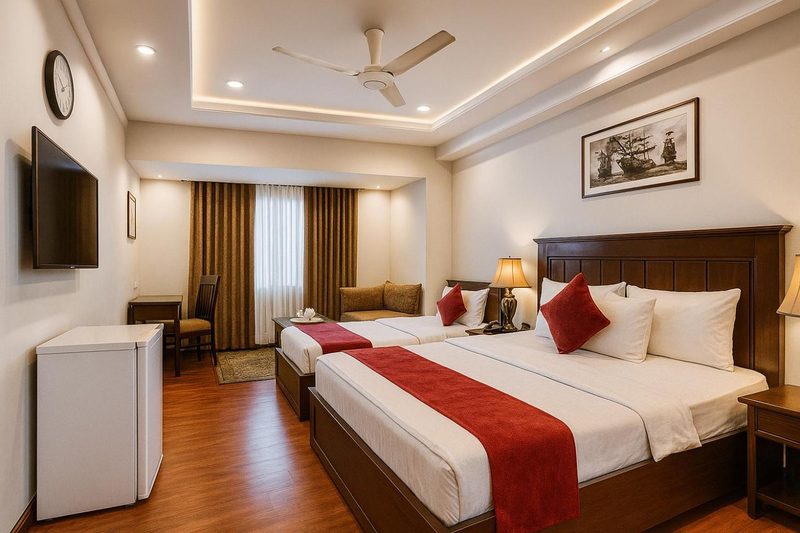
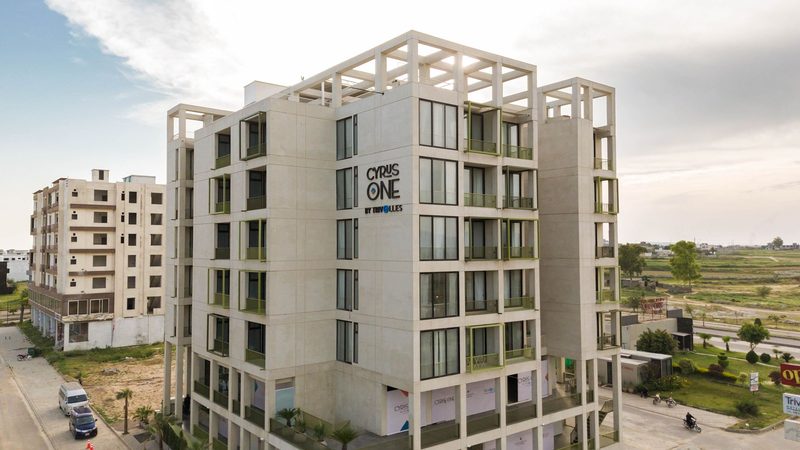
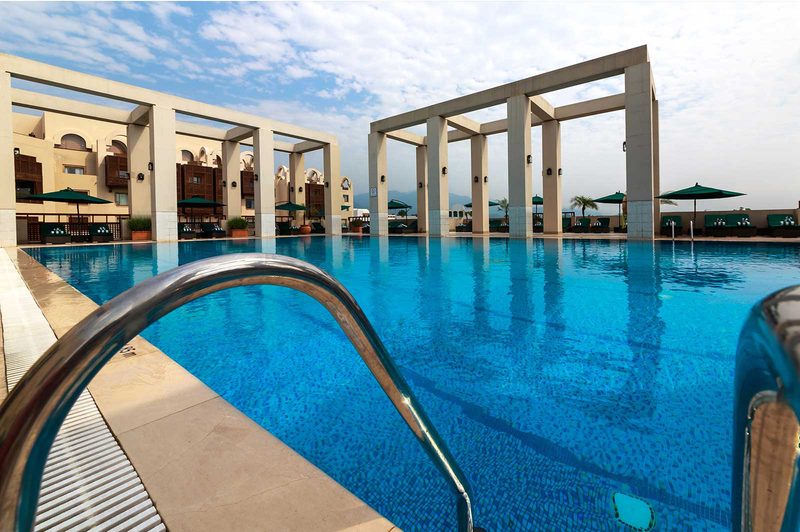
Where to Stay in Pakistan in April
Hand-picked hotels across price tiers for April travellers.
April Events & Festivals
What's happening during your visit
Late March to mid-April (variable by year and elevation)
Hunza Valley Blossom Season
This isn't a managed festival with a fixed date, it's nature's show, and the valley has built its entire spring travel calendar around it. That difference shapes everything. Apricot trees kick things off (usually late March), then cherries and peaches roll through early-to-mid April. Peak timing shifts with elevation and each year varies by up to two weeks. The villages around Karimabad, Altit, Ganish, those terraced fields you see from Baltit Fort ramparts, flip over 10-14 days into something cameras simply can't capture properly. Local families throw open guesthouses and orchard homestays during peak bloom. The valley buzzes with real festivity, nothing staged. Arrive earlier in the week if possible, weekends during peak bloom bring a solid increase of visitors making the long drive north from Islamabad and Lahore, and Karimabad teahouses fill fast.
Packing Checklist
Bookmark this page — your progress is saved between visits
Need the full list with shopping links?
Climate-specific gear, brand recommendations, and what to leave at home.
View Pakistan Packing List →Essential Tips
Insider knowledge and common pitfalls to avoid
Insider Knowledge
Skip Fort Road on your first night. Locals eat in three zones, and Gawalmandi is where you'll learn why. The wholesale food district near the old city flips into a street-food circus from 7pm to 10pm, denser, rougher, and truer to how Lahore eats than any tourist strip. Fort Road Food Street along Lahore Fort's northern wall earns one evening. The Mughal backdrop and the karahi culture are worth the detour. MM Alam Road in Gulberg does the contemporary end of the spectrum. Guides herd visitors straight to Fort Road. Hit Gawalmandi first, you'll grasp why Fort Road evolved exactly as it did.
Islamabad to Skardu (Skardu Airport, code KDU) delivers the world's best mountain approach. Nanga Parbat (8,126 m / 26,660 ft) looms left, unnamed ridgelines claw right, and the Indus snakes below like molten silver. Demand a window seat when you book, no exceptions. April skies aren't reliable. Check forecasts obsessively. Flight time: just over an hour from Islamabad. Mountain cloud kills this route often, buffer days aren't optional, they're survival.
The Karakoram Highway from Gilgit to Karimabad, threading through the Hunza River gorge with the Rakaposhi massif on the south and the Hunza valley walls rising on both sides, is roughly 100 km (62 miles). Three to four hours by private vehicle in April road conditions. This stretch is the visual heart of the KKH. Most rewarding driven rather than flown over. If you fly into Gilgit, hire a vehicle for the Karimabad leg instead of taking a shared minibus. The stops and light on this section of road reward the flexibility of your own vehicle.
Eid al-Fitr in 2026 lands around March 20-21. Early April visitors might still catch the tail end of post-Eid festivities. Pakistani hospitality runs year-round, but the specific warmth of the Eid period, sweet shops at full capacity, families visiting, locals unusually open, carries into the first 10-14 days of April most years. Arrive in Pakistan during this window. Accept tea invitations. They're sincere.
Avoid These Mistakes
Don't cram Lahore and the northern triangle, Hunza, Gilgit, Skardu, into 10-12 days. You'll ignore the distances and burn out fast. Lahore to Islamabad is 4.5 hours by road or 1 hour by air. Islamabad to Gilgit is 1 hour by plane or 12-14 hours by road when the weather cooperates. Add another 2-3 hours from Gilgit to Karimabad. Pakistan covers roughly the same ground as France and Spain combined. Yet travelers still land with schedules that demand nonstop transit or brutal cuts. Treat the north and the Mughal south as two separate trips. If you insist on combining them, budget a minimum 2 weeks.
Skip this step and you'll burn 1-2 days. Not sorting permit and documentation requirements before arriving in Pakistan is a rookie error. Foreign visitors to certain zones in Gilgit-Baltistan and near the Line of Control need to check current entry requirements, these have shifted multiple times in recent years. Going to relevant permit offices in Islamabad to sort this out after arrival (rather than before departure from home) is a reliable way to lose 1-2 days. Some trekking routes also require registered guides by regulation. Check specific route requirements with a registered operator before you book your flights.
Book Lahore's monuments for dawn, not noon. Badshahi Mosque courtyard, Lahore Fort esplanade, Shalimar Gardens, all brutal at midday in April. The 91°F (33°C) heat under direct sun turns these open-air sites into ovens. You'll bail by 11am, swear off return until after 4pm. Early wins. Both mosque and fort shine from 7am to 10am, soft light, warm sandstone, thin crowds. Show up at 1pm and you'll hate it. Most common screw-up in Pakistan tourism.
Ready to plan your trip to Pakistan?
Now that you've got the research covered, here's where to go next.
Book Experiences in Pakistan
Top-rated things to do in Pakistan this April


Explore More Activities in Pakistan
Didn't see anything interesting yet?
Browse Viator's full catalog of tours, day trips, food experiences, and private guides in Pakistan.
See All Pakistan Tours on Viator