
Things to Do in Pakistan in July
July weather, activities, events & insider tips
Low Season · Budget Friendly
July Weather in Pakistan
Temperature, rainfall and humidity at a glance
102°F (39°C)
High Temp
68°F (20°C)
Low Temp
2.4 inches (61 mm)
Rainfall
70%
Humidity
⚠ Cloudbursts have turned the Karakoram Highway into a sudden torrent. Flash floods can roar down dry beds without warning. Camp well away from the gravel. Worth it.
⚠ Punjab and Sindh roast travelers between 11 am and 4 pm. Heatstroke strikes fast under that sky. Carry oral rehydration salts and sip often. Pack shade too.
Is July Right for You?
Weigh the advantages and considerations before booking
Advantages
- + July is when Northern Pakistan finally shows off. The Karakoram Highway between Gilgit and Hunza slices through gorges where glacial meltwater has spun the Hunza River into a turquoise-gray shade that'll make you doubt your eyes until you're standing right there. Wildflowers carpet the meadows above Karimabad at 2,438 m (7,999 ft), apricot harvest eases off in late June and keeps rolling into early July, and the terraced fields above Altit Fort burn with a green so deep it looks fake. This is Pakistan's north at peak form, and July is the window.
- + K2 base camp trekking season is wide open. July is the month, snowpack on the lower sections has pulled back enough to walk without crampons. The Concordia approach through the Baltoro Glacier delivers four of the world's fourteen 8,000 m (26,247 ft) peaks in one corridor. Arguably the most dramatic high-altitude trek on the planet. Weather windows hit in the mornings before afternoon clouds build. If you've been planning this trek, July is likely your best month to execute it.
- + 3,734 m (12,251 ft), that's the altitude where the Shandur Polo Festival happens. Players and spectators from Chitral and Gilgit converge on the world's highest polo ground each early July. The matches are raw, fast. Horses kick up dust on a plateau ringed by snow-capped peaks while the crowd perches on the hillside above the field. Getting there demands a long, rough drive from either direction. The crowd ends up mostly Pakistanis who've made the effort, an atmosphere that feels earned, not engineered for tourism.
- + July is shoulder season for international travelers. The northern valleys, Hunza, Naran, Kaghan, Swat, are wide open, no bottlenecks. August brings domestic tourism's peak. Right now, the Karakoram Highway flows. No convoys of tour buses. Guesthouses in Karimabad still have rooms, call ahead. The restaurant in Baltit Fort's old bazaar isn't slammed. July is busy by Pakistani standards. Popular guesthouses still need booking ahead.
Considerations
- − 38-42°C (100-108°F) in July. That's Lahore, Multan, Faisalabad, and most of Sindh. Add 70% humidity and outdoor sightseeing becomes impossible from 9 AM to 6 PM. The Walled City of Lahore, Badshahi Mosque, and Lahore Fort? Still worth every minute. Just don't show up at noon, you'll soak through your shirt in 15 minutes flat. This isn't a dealbreaker. It's a timing issue. Hit these places at dawn or after dark. Problem solved.
- − Flash floods and landslides aren't possibilities, they're July certainties on these mountain roads. The Karakoram Highway, the road to Naran through the Kaghan Valley, and the Swat Expressway past Bahrain can slam shut without warning when heavy rain pounds upstream. Closures stretch from hours to a couple of days, sometimes longer. Got a fixed departure flight? Add 48 hours of buffer to any mountain itinerary, minimum. Drivers who've tackled the KKH in July always mention at least one marathon roadside wait. They treat it as part of the journey, not disaster. Knowing it's coming? That changes everything about how you plan.
- − 8-10 weeks. That's the only safe window for Pakistan visa processing times if you're holding a Western passport. The online e-visa system has improved considerably over recent years, no more paper forms, no embassy queues. But July applications still back up when peak summer travel demand slams the servers all at once. Some travelers get approvals in days. Others wait weeks. Radio silence until they pick up the phone and push. The smart move? Don't book non-refundable flights until the visa is in your hand.
Best Activities in July
Top things to do during your visit
Baltoro Glacier and Concordia High-Altitude Trekking
The Baltoro Glacier corridor from Askole to Concordia Base Camp opens in July and delivers one of the planet's most extraordinary walks, five-to-six days up a glacier valley walled by Gasherbrum, Broad Peak, K2, and the Cathedral towers. Stand at Concordia, 4,690 m (15,387 ft), on a clear morning before the daily clouds roll in around 10 AM, and you'll own views people recount for decades. July keeps lower elevations warm enough for comfort yet leaves upper snow firm. The trail hosts serious mountaineering expeditions bound for K2 and Broad Peak summits plus trekkers doing the approach only. The mood stays collegial and the lower teahouses stay well-stocked. Altitude acclimatization isn't negotiable, spend at least two nights in Skardu at 2,228 m (7,310 ft) before you head up.
Booking Tip: You can't just show up. This trek demands a licensed guide, registered with the Pakistan Tourism Development Corporation, and a valid trekking permit. Self-guided trekking is banned here. Book through registered operators at least 6-8 weeks ahead. July dates vanish first, for groups of four or more. Porter and guide numbers shrink in peak season. Check current options below.
Karakoram Highway Road Journey and Valley Circuit
The Karakoram Highway between Islamabad and the Khunjerab Pass at 4,693 m (15,397 ft), the world's highest paved international road, is at its most navigable in July. Snowmelt clears the passes, rivers increase, and valley walls above Attabad Lake (a turquoise reservoir born from a 2010 landslide, crossed by boat or ferry depending on water levels) throw light that makes keeping a camera down nearly impossible. Islamabad to Hunza takes two days by road. Stop at Chilas, the concentration of ancient rock carvings along the Indus River deserves it. Petroglyphs pecked into boulders over 3,000 years of passing caravans. July traffic on the KKH is manageable but building, and the Attabad Lake crossing can develop lines in peak hours. Better route: drive southbound (Khunjerab to Islamabad) if you can arrange a one-way itinerary. The Hunza Valley opens below you. Rakaposhi at 7,788 m (25,551 ft) catches afternoon light on its west-facing walls.
Booking Tip: July on the Karakoram Highway? Hire a driver who knows every landslide bypass. Local knowledge isn't optional, it's survival when monsoon rains shut sections without warning. Book your multi-day KKH road journey 3-4 weeks ahead for July departures. Then confirm road conditions within 48 hours of travel. Check current tour options in the booking section below.
Hunza Valley Cultural and Historical Immersion
At 2,438 m (7,999 ft), Hunza in July runs cooler than the rest of Pakistan. Daytime peaks at 25°C (77°F) while nights fall to 15°C (59°F), cool enough to skip the AC, a mercy after Lahore or Islamabad. The early July apricot harvest is tapering off. Yet dried apricots still blanket rooftops across Karimabad, curing in mountain sun. Fruit stalls in the bazaar sell mulberries and cherries that taste nothing like the plains. The bazaar's morning scent, dried fruit, wood smoke, cardamom tea, slaps you before the stalls appear. Baltit Fort has loomed above Karimabad since at least the 8th century. Its upper terraces deliver views straight across the Hunza River gorge to the Rakaposhi and Ultar glaciers. The valley's community-run tourism ranks among northern Pakistan's best-organized.
Booking Tip: Karimabad guesthouses sell out 3-4 weeks ahead in July. The valley is domestic tourism's favorite mountain destination, weekend influxes from Islamabad and Lahore are huge. Book midweek arrivals if you've got flexibility. Day tours from Gilgit are also possible if you're using the city as a base. See current options in the booking section below.
Lahore Walled City and Mughal Architecture Dawn Tours
Lahore in July hits like a furnace, relentless, strategic heat that demands planning, not retreat. The Walled City before 8 AM delivers one of South Asia's rawest urban kicks. Delhi Gate's narrow lanes and Masjid Wazir Khan's corridors shed their overnight chill; Badshahi Mosque's Fajr call slices the predawn hush across rooftops. Built in 1634, Masjid Wazir Khan wraps every interior inch in yellow, blue, and white faience geometry, your eyes need a full minute just to catch up. Lahore Fort opens at 8:30 AM; the first 90 minutes, before the crowds swarm, are pure gold in July. By 11 AM, courtyard marble blasts heat straight through your soles. Return after dark for Fort Road's Lahore Food Street, grills fire up around 7 PM, dishing seekh kebabs and nihari in the evening's leftover cool, charcoal and charred meat scent rolling down the lane.
Booking Tip: Skip the guesswork. Guided walking tours of the Walled City beat wandering alone every time, those alleys behind Masjid Wazir Khan toward the Hindu temples of the old city vanish without someone who knows the turns. Licensed guides book through registered tourism operators. Do it at least a week ahead in July. Check current options in the booking section below.
Deosai National Park Wildlife and Plateau Camping
Deosai, the high-altitude plateau of Gilgit-Baltistan, sitting at an average 4,114 m (13,497 ft), only becomes accessible in June and stays open through September when the access roads from Skardu clear of snow. July is arguably the best month to visit: the plateau is carpeted in wildflowers (yellow, purple, and white blooms across an unbroken horizon that can make you dizzy with scale), the Himalayan brown bears are active and visible at the rivers and streams, and the golden marmots are aboveground in numbers. The plateau covers 3,000 sq km (1,158 sq miles) of open grassland with no trees and no shelter from the wind, and sunsets that turn the whole plateau a sequence of colors from gold to deep red. Nights at this elevation in July drop to around 5°C (41°F), sometimes below. The combination of extreme UV during the day and sharp cold at night catches a surprising number of visitors off-guard, this is a place where a sunburned face and chattering teeth on the same afternoon is a realistic outcome.
Booking Tip: You can't just drive into Deosai, registration happens at the national park checkpoint outside Skardu. Most travelers book transport and camping through Skardu city operators; it's the only sensible base. July weekends? Book 2-3 weeks ahead, transport from Skardu sells out fast. Check current options in the booking section below.
Swat Valley Buddhist Heritage and Kalash Valley Cultural Circuit
Swat Valley sits at a middle elevation, the valley floor around Mingora and Madyan runs at 900-1,200 m (2,953-3,937 ft), which keeps July temperatures around 30°C (86°F) instead of the 40°C+ (104°F+) of Lahore. The Buddhist ruins at Udegram and the Shingardar stupa predate the Islamic period by a thousand years and sit above the valley in a quiet that makes them feel like they belong to the landscape rather than sitting on top of it. Further north from Swat, the Kalash Valleys of Bumburet, Birir, and Rumbur are home to a community of around 4,000 people who maintain a pre-Islamic polytheistic tradition, a distinct language, and a material culture, embroidered caps with cowrie shells, hand-carved wooden facades on the houses, a calendar of festivals tied to agricultural seasons, that has no parallel in this part of the world. The Uchal festival, which celebrates the summer harvest season, sometimes falls in late July. The Kalash are well accustomed to visitors but deserve more than a quick stop, spend a night in the valley if you can.
Booking Tip: Peshawar to Swat is dead simple, Swat Expressway, done. The Kalash Valleys from Chitral? Different story. You'll need a separate trip and a guide who speaks Khowar. Book Kalash tours 3-4 weeks ahead. Only way to land a sharp local instead of some random generalist. Current options sit in the booking section below.
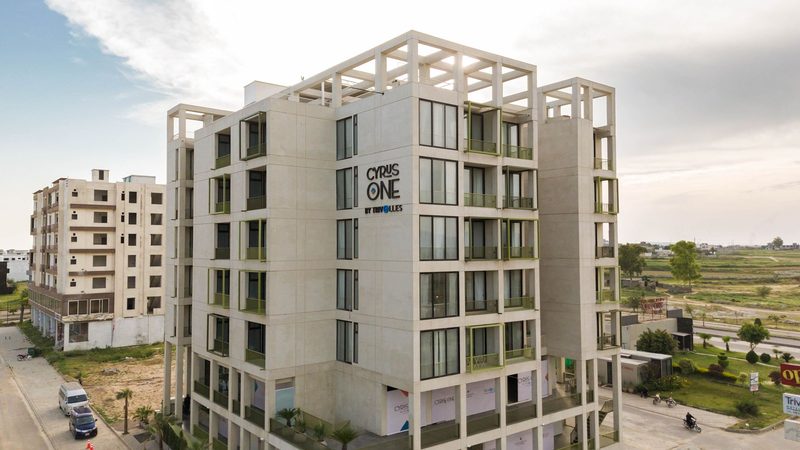
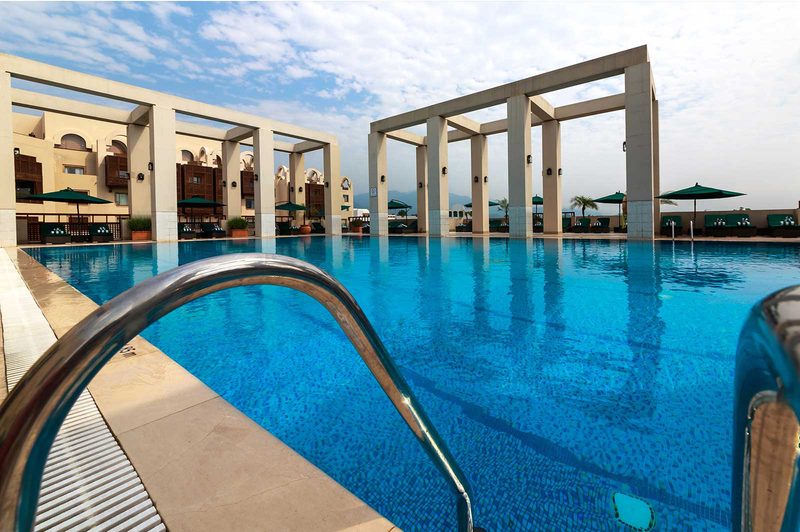
Where to Stay in Pakistan in July
Hand-picked hotels across price tiers for July travellers.
July Events & Festivals
What's happening during your visit
Early July
Shandur Polo Festival
3,734 m (12,251 ft) above sea level, the Shandur Pass plateau hosts the world's highest polo ground, and one of Asia's strangest sporting events. For over a century, teams from Chitral and Gilgit have clashed here in a traditional free-for-all that barely resembles the international game. No sidelines. No time limits in the original format. Just mountain-bred horses thundering across open grass. The scene defies belief. A flat plateau cupped by 5,000 m (16,404 ft) peaks, reachable only via bone-rattling mountain roads from Chitral or Gilgit. Budget a full day either way. The Gilgit approach winds through Ghizer Valley, worth the drive even without the match. Camping is the only option. Local entrepreneurs pitch basic tent camps for the festival period. Arrive the day before the main match. Claim a hillside perch above the field. You'll need it.
Packing Checklist
Bookmark this page — your progress is saved between visits
Need the full list with shopping links?
Climate-specific gear, brand recommendations, and what to leave at home.
View Pakistan Packing List →Essential Tips
Insider knowledge and common pitfalls to avoid
Insider Knowledge
The PIA Gilgit-Islamabad route is one of the most spectacular short flights on earth, and one of the most frequently cancelled. Pilots must fly visually through mountain corridors. Any cloud cover grounds the plane. In July, expect a 40-50% cancellation rate on any given day. Never book this flight with a tight connection or fixed international departure from Islamabad. Always keep a backup road plan. The ATR-72 turboprop skims past Nanga Parbat's north face close enough to see the seracs, when it flies. That alone makes the right-side seat worth grabbing going north.
Lahore eats before sunrise. You should too. The restaurants around Gawalmandi neighbourhood, some feeding people for 40-60 years, start ladling nihari at 7 AM. That bone-marrow beef stew has been bubbling since 3 AM. Paya floats in broth sharp with ginger and black pepper. By 9 AM, the best bowls are gone. Staying in Gulberg? Drive to the old city anyway. July heat be damned. Locals eat before 8 AM, then vanish into air-conditioned guesthouses until 5 PM. Copy them.
July is the pre-independence month. National sentiment builds, noticeably, through the weeks as August 14 approaches. Flag sales accelerate. Vehicles get decorated. Patriotic songs appear on every radio. If your trip bridges into the first two weeks of August, you'll experience the run-up to Independence Day in a way that adds an unexpected emotional layer to any visit. The energy in Islamabad's markets and Lahore's Liberty Market area on the night of August 13-14 is worth seeking out, if your timing allows.
Google Maps lies. Treat its northern-road driving times as polite fiction, not forecasts. The KKH and mountain side roads post speed limits that mean nothing, potholes, rockfall debris, one-lane bridges, crawling trucks, goat herds. These set the real pace. Gilgit to Passu: four hours on the screen, five-to-six in July with stops. Add 30-40% to every northern drive. Never book tight connections after a mountain haul.
Avoid These Mistakes
Altitude will punish you. First-time visitors to Hunza often drive straight from Islamabad to Karimabad, one brutal day that rockets you from 506 m (1,660 ft) to 2,438 m (7,999 ft) with zero acclimatization. Headaches and nausea crash in by the second morning. Your planned hiking day collapses into an useless rest day. Slot a night in Chilas or Gilgit, both sit at intermediate elevation, into any itinerary bound for Hunza or higher.
Don't schedule Lahore's plains cities for midday in July. The Lahore Fort complex, Badshahi Mosque, and the Walled City of Lahore reward early risers, or night owls. First two hours after dawn. Last two before dark. Tourists hitting Lahore Fort at 11 AM in July? They hunt shade, not architecture. Same sites at 6:30 AM deliver cool air, quiet corners, and the unhurried attention these monuments demand.
Book non-refundable flights out of Islamabad only if you're reckless. That 18-hour grind from Skardu to Islamabad? The KKH sections you'll crawl through face real flash flood and landslide risks every July. I've seen the face, travelers watching a mountain road seal shut behind them with a flight in 20 hours. They've got a look. Fly Gilgit-Islamabad instead. Accept the cancellation risk, keep a road backup ready. Or build two full buffer days between your last mountain stop and your international departure.
Ready to plan your trip to Pakistan?
Now that you've got the research covered, here's where to go next.
Book Experiences in Pakistan
Top-rated things to do in Pakistan this July


Explore More Activities in Pakistan
Didn't see anything interesting yet?
Browse Viator's full catalog of tours, day trips, food experiences, and private guides in Pakistan.
See All Pakistan Tours on Viator