
Things to Do in Pakistan in March
March weather, activities, events & insider tips
Low Season · Budget Friendly
March Weather in Pakistan
Temperature, rainfall and humidity at a glance
84°F (29°C)
High Temp
59°F (15°C)
Low Temp
1.3 inches (33 mm)
Rainfall
70%
Humidity
Is March Right for You?
Weigh the advantages and considerations before booking
Advantages
- + March temperatures in central Pakistan tend to sit in the sweet spot, 84°F (29°C) in the afternoons, cooling sharply to 59°F (15°C) after dark, where you can walk Lahore's Walled City for six hours without collapse. By May the Punjab plains push toward 45°C (113°F), and that same stroll becomes dangerous. March is likely your best window for exploring Pakistan's heritage cities before the country bakes.
- + The first three weeks of March 2026 fall within Ramadan (exact start depends on moon sighting. But expect it around February 18), and the Iftar hour, sunset, when the fast breaks, transforms every city in ways that don't exist any other time of year. Lahore's Gawalmandi Food Street becomes a shoulder-to-shoulder feast of slow-cooked nihari, seekh kebabs pressed from spiced minced beef on open charcoal grills, and haleem that's been simmering since before dawn. Strangers will invite you to share their Iftar spread. Say yes.
- + The Hunza Valley's almond orchards typically begin showing their first pale blossoms in late March, white and faint pink against the bare 7,000-metre (23,000-ft) Karakoram walls, before the summer crowds arrive. The valley in late March is quiet enough that you can walk the terraced lanes of Karimabad at your own pace, with only the wind off the glaciers and the creak of wooden gates for company.
- + Pakistan Resolution Day on March 23 draws military parades and flag ceremonies that are worth witnessing. Islamabad's main ceremony near the convention center attracts thousands of Pakistanis in a display of national pride that tells you something real about this country's self-image, a country that, for most first-time visitors, confounds almost every assumption they arrived with.
Considerations
- − Ramadan complicates daytime eating for roughly the first 19 days of March 2026. Restaurants don't disappear, hotels, tourist-facing areas, and neighborhoods with non-Muslim minority populations maintain some daytime service. But the open-air street food culture that defines Pakistan largely goes quiet until Iftar. If your Pakistan itinerary is built around grazing roadside chaat at noon, you'll need to recalibrate your expectations before you land.
- − The northern mountain roads remain unpredictable in March. The Karakoram Highway north of Gilgit can have sections that are passable but treacherous, rockfall, snowmelt, and winter damage can close stretches without warning. The high-altitude routes that make Pakistan famous among serious trekkers (K2 base camp above 5,150 m / 16,900 ft, Fairy Meadows below Nanga Parbat) are not yet in viable condition. March is opening season in the mountains, not peak season.
- − Afternoon dust haze in the Sindh and southern Punjab plains picks up in March as the winds shift and temperatures rise. Visibility can drop noticeably, and the air quality in Karachi and parts of Lahore becomes a real consideration for anyone sensitive to particulates. The sunsets turn more orange-brown than the crisp mountain photography you likely saw that made you book the trip.
Best Activities in March
Top things to do during your visit
Lahore Walled City Heritage and Ramadan Iftar Trail
Lahore's Walled City, thirteen historic gates, the Badshahi Mosque's marble courtyard that holds 100,000 worshippers at Friday prayers, the Mughal-era Lahore Fort with its Sheesh Mahal mirror hall catching afternoon light at angles that make the ceiling look like a sky full of small stars, is worth visiting any month. In March 2026 it adds a layer that only exists during Ramadan. During daylight, the lanes around the fort go quieter than usual. The famous Food Street near Gawalmandi closes up. Then at sunset, when the azaan for Maghrib sounds across the rooftops, everything reverses simultaneously. The smell of charcoal igniting under metal skewers fills the alleys, the sound of hundreds of clay bowls clattering at once, the sharp sour heat of imli chutney on freshly fried dahi bhalle, you will not find this particular combination in any other city on any other day. The Walled City of Lahore Authority runs certification for heritage guides who understand the architectural layers (Sikh, Mughal, colonial British) that stack on top of each other in ways most solo visitors miss entirely. Plan your heritage walk for the morning, keep your afternoon free to position yourself near a neighborhood mosque before Iftar, and allow at least two full days for the city.
Booking Tip: Heritage walks through the inner city should be booked through operators whose guides hold Walled City of Lahore Authority certification, ask specifically for this credential. Ramadan adds logistical complexity that knowledgeable local guides handle naturally. One without this context will leave you confused. Book 2 weeks ahead minimum. Demand for evening Iftar food tours increases significantly during Ramadan. The booking widget below has current tour options.
Hunza Valley Early Blossom Season Walks
Hunza Valley in late March sits in a narrow, spectacular window that's been generating genuine excitement among landscape photographers for the past several years. The almond trees flower first, small white blossoms on bare grey branches, against rock faces that rise nearly vertically for thousands of metres, followed by the apricots, whose pink flowers arrive usually in early April. Arriving in late March means you might catch the very beginning of this transformation with a fraction of the April crowds. The valley floor sits at around 2,400 m (7,874 ft), which keeps daytime temperatures mild, around 15°C (59°F), while the peaks above, Rakaposhi at 7,788 m (25,551 ft) is visible from the Karakoram Highway between Gilgit and Karimabad, carry full winter snow. The contrast between the delicate spring blossoms and the ice-covered stone walls behind them is one of the more striking things Pakistan offers. The 20-km (12.4-mile) drive from Gilgit to Karimabad along the highway rewards slow movement, stop at the roadside tea stalls and watch the Hunza River far below cutting through its canyon. Factor in at least three days minimum. The valley gives up its character gradually.
Booking Tip: Guesthouses and jeep transfers in Hunza book quickly once blossom season starts trending on social media, typically from late February. Confirm arrangements at least 3 to 4 weeks ahead. Look for operators offering small-group blossom walks of four to eight people based in Karimabad, the locally-owned guesthouses have the best connections to drivers who know the village roads above the main highway. See current tour options in the booking section below.
Islamabad Margalla Hills Trail Network
Islamabad gets used as a transit point, which is a mistake. The Margalla Hills, the southernmost foothills of the Himalaya, rising to around 1,600 m (5,249 ft) at the city's northern edge, turn beautiful in March. The spring flush pushes the forest green, wildflowers appear on the exposed ridges, and the trail network that the Capital Development Authority maintains (Trail 3 and Trail 5 are the best marked, Trail 5's loop covers roughly 7 km / 4.3 miles) runs through forest where Rhesus monkeys watch you from the branches with studied indifference. On clear mornings, the snowline on the distant ranges to the north is visible from the ridge. The city grid below, wide boulevards, a surprising density of trees, looks nothing like what most visitors expect Pakistan's capital to look like. Start hikes no later than 7am to catch the light and beat the afternoon heat, which by noon reaches 29°C (84°F) in the valley. The Daman-e-Koh viewpoint at the top of the main road is the staging area for guided hikes. Naturalist guides based there can take you on lesser-used routes where the chances of spotting Barking Deer and Grey Goral improve substantially.
Booking Tip: The main marked trails don't require guides, but a licensed naturalist makes a significant difference on the less-traveled paths. Half-day guided hikes typically run three to four hours. Allow extra time for the views from the ridge, which tend to hold people longer than planned. Book wildlife-focused guides at least a week ahead in March as the spring season draws more trekkers. Current options are in the booking widget below.
Mohenjo-daro Archaeological Site Expedition
Mohenjo-daro was a functioning planned city of perhaps 40,000 people in 2500 BCE, grid streets, a sophisticated brick drainage system that the Romans wouldn't match for another two thousand years, a public bath, granaries, a citadel. It sits in Sindh's flat, dry landscape under open sky and is almost always quiet: a few dozen visitors on a busy day, sometimes fewer. March is likely your last comfortable window before the temperatures in this part of Sindh push toward 40°C (104°F) and the exposed site becomes punishing. In March, the air sits around 30°C (86°F) with the humidity low, a light wind off the Indus plain, and the only sound some days is the creak of the site's wooden information boards in the breeze. Walking the raised excavated mounds between the uncovered mudbrick streets, you are moving through a civilization that disappeared around 1900 BCE and left almost no written record that has been deciphered. The absence of explanation, the archaeology is spectacular, the why remains unknown, is part of what makes this site so affecting. The dry Sindh air carries a faint mineral smell of old clay. The silence has a specific texture. This is the kind of travel experience that stays with you.
Booking Tip: Mohenjo-daro is best accessed from Larkana, the nearest city, reachable by domestic flight from Karachi or Islamabad. Self-guided visits are straightforward with the site map, but archaeologist-led tours transform the experience from 'old bricks' to 'legible civilization.' Book these through operators with academic or university affiliations, at least two weeks ahead. The journey from Karachi by train passes through a landscape that is itself historically layered. See the booking section below for current tour options.
Peshawar Old City and Qissa Khwani Bazaar Circuit
The Street of Storytellers, Qissa Khwani Bazaar, has been a waypoint for Silk Road traders, Mughal administrators, British India's frontier officers, and Pashtun merchants for centuries, and the physical palimpsest of that history is legible in the carved wooden balconies above the lane, the archways where caravansaries once stood, and the tea houses where men debate business over cardamom-spiked green chai in small glass cups with no handles. March weather in Peshawar sits at a comfortable 20 to 25°C (68 to 77°F), warm enough to sit at a pavement table outside, cool enough to walk for hours without sweating through your shirt. The Khyber Bazaar, the Mahabat Khan Mosque with its interior of painted plaster and carved stone, and the Sethi House, a nineteenth-century merchant's mansion whose multiple interior courtyards and frescoed reception rooms are among the best-preserved examples of Peshawar's old-money domestic architecture, tend to have almost no foreign tourists in March. Worth noting: the security situation in Peshawar's immediate city center has improved substantially over the past several years. But this remains a destination where consulting your government's travel advisory the week you arrive, and hiring a guide with genuine local knowledge and current contacts, is common sense rather than excessive caution.
Booking Tip: A knowledgeable local guide for Peshawar is not optional, it is the difference between a surface walk through a bazaar and understanding the Pashtun, Sikh, Mughal, and colonial architectural layers you are looking at. The Khyber Pakhtunkhwa Tourism Corporation maintains a register of licensed guides. Plan four to five hours minimum for the old city circuit. Build in time for the mandatory tea break, which is not negotiable and is one of the better parts of the day. See current tour options in the booking section.
Balochistan Spring Landscape Routes (Quetta and Ziarat)
Balochistan in March is one of Pakistan's most underappreciated travel windows, and that is not a compliment, it reflects how little infrastructure and how few travelers make it here. The provincial capital Quetta sits at 1,680 m (5,512 ft) in a bowl ringed by bare mountain walls that briefly soften with spring wildflowers in March. The air is cool and dry, highs around 18°C (64°F), and the quality of light at altitude has a sharpness that the plains cities don't get. Two hours north by road, the Ziarat juniper forest shelters one of the world's oldest living juniper trees, specimens estimated at 5,000 years old, trunks the color of weathered iron, bark twisted into shapes that look carved. The landscape reads more Central Asian steppe than South Asian subcontinent. The apple and cherry orchards planted during the colonial period in the Ziarat valley approach blossom in late March. Quetta has had genuine security challenges over the years. Current conditions require consulting travel advisories carefully and working exclusively through operators with recent, direct experience in the region. Some nationalities require a No-Objection Certificate for parts of the province. For travelers who do that due diligence, this is a side of Pakistan that leaves a completely different impression than anything you'll see in the tourist-familiar north.
Booking Tip: Balochistan travel requires advance planning and, for most international visitors, coordinating with a Pakistan-based operator who has current regional experience, not just a Lahore or Islamabad company that occasionally sends people west. NOC requirements and current route conditions should be confirmed well before arrival. Allow at least a week for a Quetta-Ziarat itinerary. See the booking section below for operators with verified regional coverage.
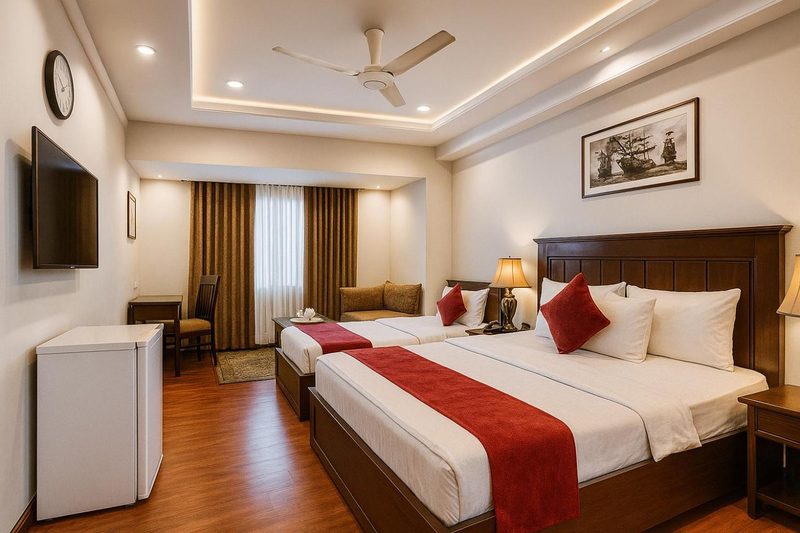
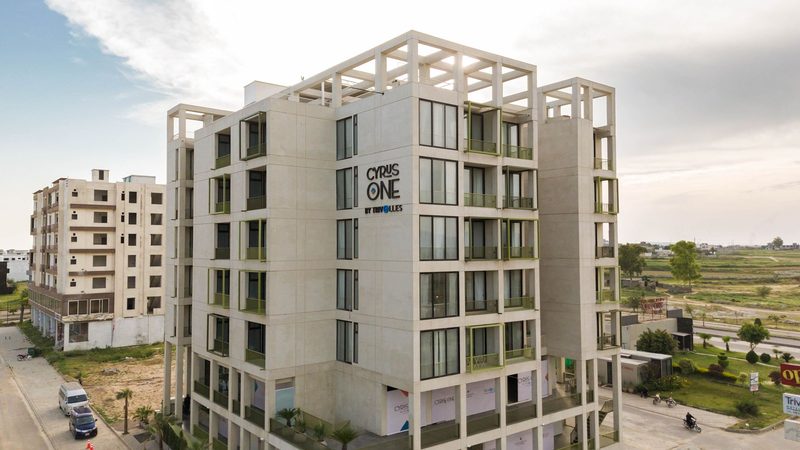
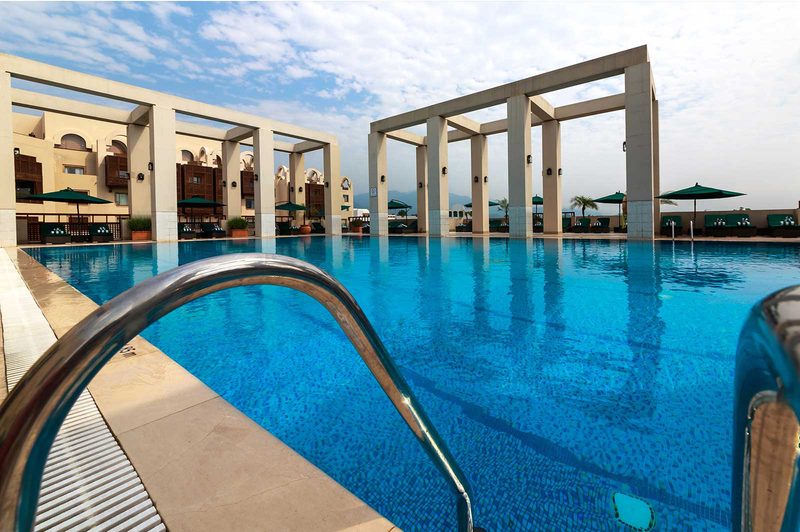
Where to Stay in Pakistan in March
Hand-picked hotels across price tiers for March travellers.
March Events & Festivals
What's happening during your visit
March 23
Pakistan Resolution Day
March 23 marks the 1940 Lahore Resolution, the moment Pakistan's founding movement formally declared the goal of an independent Muslim state. The national holiday draws military parades in Islamabad, jets streak over the convention center in formation, troops march in precision drills that the crowds follow with genuine enthusiasm, and flag ceremonies happen in cities across the country simultaneously. It's the kind of event that tells you something real about contemporary Pakistan's relationship with its own history. The main Islamabad ceremony is the most elaborate. Position yourself along the parade route by 7am to get a standing spot. In Lahore, the Minar-e-Pakistan, the tower built on the exact site where the resolution was passed, holds a sunrise ceremony that is smaller, quieter, and more historically resonant than the capital's display.
Early to Mid-March (through approximately March 19)
Ramadan Iftar Season
Ramadan 2026 is expected to begin around February 18 and end around March 19 (exact dates shift with moon sighting, so confirm as you travel). For visitors who time their Pakistan trip to include this window, Iftar, the sunset meal that breaks the day's fast, is one of the more extraordinary communal food experiences available anywhere in the Muslim world. Lahore's Gawalmandi district and the lanes around the Badshahi Mosque become open-air feast halls from dusk. The specific sounds: the azaan amplified across rooftops, then the simultaneous clatter of hundreds of clay bowls and the hiss of oil hitting hot pans. Pakoras fried until the outside crackles, the deep warmth of slow-cooked haleem, the soursweet shock of rooh afza sharbat in the evening cool. Community Iftar tables are often open to non-Muslim visitors who approach respectfully and are invited. The correct move is to wait to be invited rather than helping yourself. But in practice the invitations arrive quickly.
Late March (exact dates vary)
Jashn-e-Baharan (Spring Festival)
Lahore's spring festival, typically held at or near the Shalimar Gardens, the Mughal pleasure garden built by Shah Jahan in 1641, celebrates the arrival of the season with kite flying (patkang bazi), folk music, and a flowering of the city's natural spaces that March weather makes possible. The Shalimar Gardens themselves, with their three terraced levels and central sandstone pavilion, look best in spring when the garden beds and the old trees in the surrounding quarters are coming into leaf. The festival atmosphere extends across the city. The walled city neighborhoods organize their own neighborhood-level celebrations. Confirm exact dates through the Punjab Tourism Department in the weeks before you travel, the festival schedule shifts year to year.
Packing Checklist
Bookmark this page — your progress is saved between visits
Need the full list with shopping links?
Climate-specific gear, brand recommendations, and what to leave at home.
View Pakistan Packing List →Essential Tips
Insider knowledge and common pitfalls to avoid
Insider Knowledge
The Ramadan day-to-night food strategy: during daylight hours in March 2026, your best eating options are hotel restaurants, the Anarkali Food Street in Lahore (which keeps some stalls running for non-fasting visitors), and areas with significant non-Muslim populations such as Karachi's Saddar district and parts of Lahore's Cantonment. Then at Iftar, around 6:15 to 6:30pm in March, the entire culinary landscape inverts. The technique: eat a light hotel breakfast, explore on a light stomach during the day, and save your appetite for the Iftar feast. This is how locals experience Ramadan, and visitors who adopt it rather than fighting it report a qualitatively different trip.
The Karakoram Highway road condition check: the highway north from Islamabad to Hunza covers roughly 650 km (404 miles) and takes 12 to 14 hours on a good day because of the terrain and checkpoints. In March, winter rockfall repairs may have sections down to single-lane traffic with waiting. The most reliable real-time road condition information comes from Facebook groups run by adventure motorcyclists and local jeep drivers who post daily updates, search 'Karakoram Highway 2026' or similar. Your tour operator should have current contacts on the ground. If they don't, that tells you something about their recent experience.
NOC requirements for restricted zones: parts of Gilgit-Baltistan near international borders, certain valleys in Khyber Pakhtunkhwa, and sections of Balochistan require a No-Objection Certificate obtainable from local district administration offices. These typically take one to three days, are generally issued without incident for legitimate tourist purposes, and are handled by experienced operators as a matter of routine. Factor the processing time into your northern itinerary, the mistake is arriving at a checkpoint with a tight schedule and no NOC.
Pakistan Resolution Day hotel crunch: March 23 draws domestic tourists and official delegations to Islamabad from across the country. Hotels near the parade route and the diplomatic enclave fill up. If your itinerary puts you in Islamabad on or around March 23, book accommodation at least four to six weeks ahead. The same applies to Lahore, where the Minar-e-Pakistan ceremony draws its own crowds.
Avoid These Mistakes
Treating Ramadan as an obstacle. Visitors who arrive in early-to-mid March 2026 expecting the open-air food culture they saw in pre-Ramadan travel videos will spend the first half of the trip frustrated. Visitors who accept the shift, eating well at hotel breakfasts, exploring historic sites during the quiet daylight hours, and positioning themselves for the Iftar transformation at sunset, consistently report that the Ramadan experience was the trip's best element. The mindset shift is the entire variable.
Underestimating northern distances. The Islamabad to Hunza Valley drive covers roughly 650 km (404 miles) of mountain road and takes 12 to 14 hours. Travelers who allocate two days for a 'quick trip to the mountains', expecting European road trip efficiency on one of the world's most dramatic highways, see very little of what they came for and arrive exhausted. The Karakoram demands at least five days minimum to do even a stripped-down version of it properly.
Arriving underprepared for temperature variance. Pakistan in March has a 25°C (77°F) swing between a cool 59°F (15°C) pre-dawn and a warm 84°F (29°C) afternoon, and that's the lowland average. In northern valley guesthouses at 2,400 m (7,874 ft), nighttime temperatures can drop below 5°C (41°F) in March. Visitors who pack exclusively for a warm South Asian trip spend their mountain evenings in every layer they brought plus their towel. Pack for the north, not for the plains.
Ready to plan your trip to Pakistan?
Now that you've got the research covered, here's where to go next.
Book Experiences in Pakistan
Top-rated things to do in Pakistan this March


Explore More Activities in Pakistan
Didn't see anything interesting yet?
Browse Viator's full catalog of tours, day trips, food experiences, and private guides in Pakistan.
See All Pakistan Tours on Viator